Glamping in the Scottish Highlands sounds dreamy until you picture the reality: a dome or cabin in the middle of midge season, a week of drizzle, or a night so cold your hot water bottle becomes your best friend. Timing is the difference between a magical Highland escape and one you spend mostly indoors. So when is it actually enjoyable?
This guide walks you through the main season, which runs April to October, and what each stretch of it really feels like. We’ll cover spring in April and May, the summer peak and the midge question, the quiet color of September and October, and who should brave a winter stay between November and March. You’ll also find practical advice on booking the right season at the right price, plus a quick wrap-up to help you match a season to your travel style. By the end, you’ll know exactly when to go and when to stay home.
Why Timing Matters for Glamping in the Scottish Highlands
The Scottish Highlands don’t do mild. While summer days can reach a pleasant 15-19°C, the same glamping site in winter can see temperatures drop below 0°C at night. That swing completely changes what your accommodation feels like. A canvas bell tent that feels airy and luxurious in July can feel damp and chilly in October, while an insulated pod with proper heating becomes the obvious choice once the cold sets in.
The midge factor
Then there’s the famous Highland midge. These tiny biting insects peak from mid-June to early August, and they’re at their worst around dawn and dusk, especially near still water and sheltered woodland. If your idea of a perfect evening involves sitting outside your dome with a glass of wine watching the sun dip behind the hills, midge season can seriously test that dream. Site choice and structure type matter enormously here, which is why the summer section below goes into detail.
Daylight shapes your days
Daylight is the third piece of the puzzle. Around midsummer, you’ll get 16 or more hours of light, meaning you can hike a long trail, cook dinner outdoors and still read by natural light at 10 pm. In midwinter, you’ll have roughly 7 hours, so your stay becomes more about cozy evenings, dark skies and possibly the northern lights than about packed itineraries.
In short, timing decides your temperature, your comfort level outdoors and how much of the Highlands you can realistically explore. Get the season right for your travel style, and glamping here can be brilliant; get it wrong, and even the best site can feel like a battle against weather and biting insects.
Spring Glamping: April and May
Spring is one of the Highlands’ best-kept secrets for glamping. April and May sit comfortably before midge season begins, so you can enjoy long evenings outdoors without the swarm that defines midsummer. The glens start to come alive too: gorse blooms in brilliant yellow along the roadsides, lambs appear in the fields, and the single-track roads remain pleasingly quiet compared with the July and August rush.
Daylight is the other big draw. By late May, you can expect roughly 14 to 16 hours of light, which makes spring ideal for longer hill walks and slow, scenic drives without watching the clock. You can summit a Corbett after lunch, return for dinner at your pod, and still have daylight to spare for a soak in a hot tub.
What to expect on price and warmth
As a shoulder season, spring typically brings rates around 20-30% below the July-August peak, which stretches a glamping budget nicely. The trade-off is the temperature: nights can still dip near 5°C, even when days feel mild. Pack warm layers, thick socks and something extra for sitting outside after sunset.
Before booking, check with your chosen site what heating is included and whether bedding is suited to cooler nights. A well-insulated pod or cabin makes spring evenings far more comfortable than canvas.
Summer: Peak Season and the Midge Question
Summer is when the Highlands feel most alive, and glamping sites respond in kind. June to August brings the warmest days of the year, with highs averaging 15-19°C, and the fullest range of open sites: pods, domes, safari tents and bothies that sit shuttered the rest of the year simply open their doors. Long evenings mean you can eat outside at nine at night and still see the hills.
But summer also comes with one very small, very annoying catch: midges. These tiny biting insects peak from mid-June to early August, and they are worst at dawn and dusk, especially near still water and damp woodland. On a calm evening by a loch, they can genuinely ruin an outdoor dinner if you are unprepared.
How to outsmart the midges
The good news is that site choice makes a huge difference. Look for exposed, breezy locations — coastal sites, hillside pitches or anything with steady airflow — rather than sheltered spots beside a loch or stream. Choose a screened or enclosed structure too: a dome or pod with mesh windows and a proper door lets you enjoy the view without becoming a buffet. Pack a head net and a decent repellent as cheap insurance, and plan walks and barbecues for the middle of the day when midge activity drops.
Demand is the other summer challenge. July and August are peak family holiday months, and family-friendly pods and domes fill first, often many months in advance. For those dates, book 3-6 months ahead to get your pick of sites and layouts. If your dates are flexible, early June or late August can give you similar warmth with a bit more breathing room — and if you want to see how other destinations handle calm, crowd-free stays, this piece on Kuwaiti Gulf havens with open horizons and disciplined calm makes an interesting comparison.
Autumn: September and October for Color and Quiet
September might be the smartest month in the Highland glamping calendar. The midge season has faded, so you can sit outside your pod in the evening without dousing yourself in repellent, and you still get 12-14 hours of daylight for long days on the trail. Because families have gone home after the school holidays, many sites drop their rates by around 20-30% compared with August, which makes a premium glamping pod noticeably more affordable.
What October brings
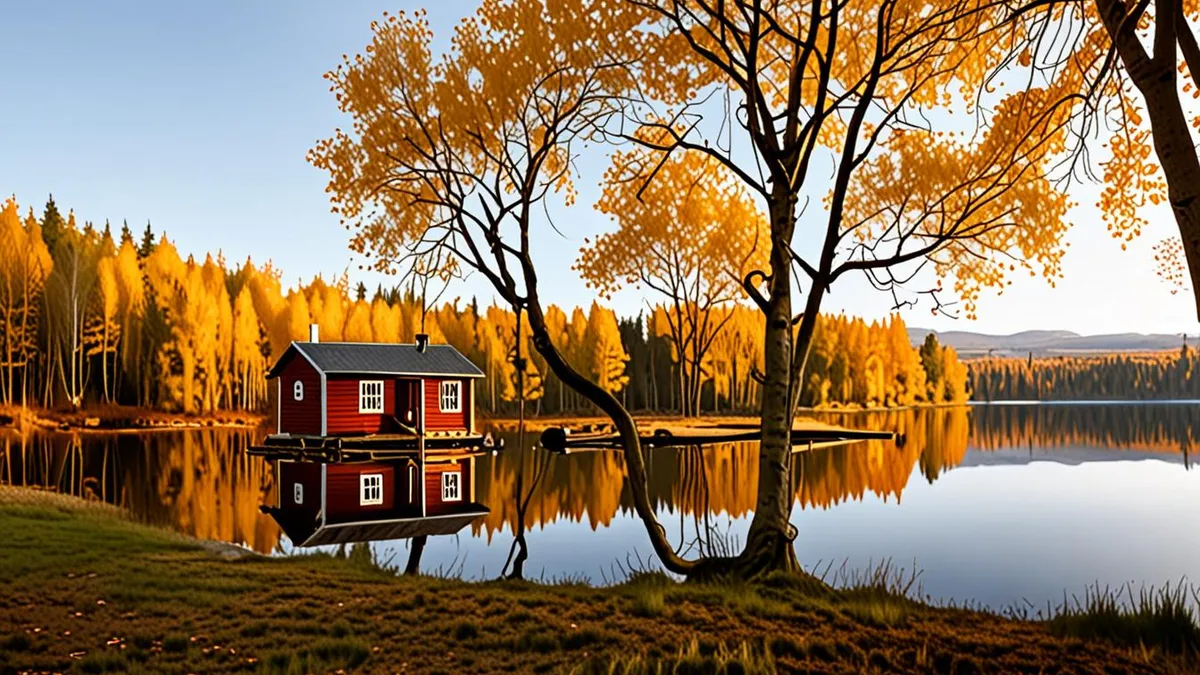
October is when the glens turn amber and rust, and the hills take on a richness you simply don’t see in summer. It’s also the first month with a genuine chance of dark, clear skies, so if you’ve ever wanted to stargaze from a hot tub or spot the early aurora season from your deck, this is your window. Daylight drops quickly through the month, so plan walks and drives for the middle of the day.
The trade-off is weather. Rain becomes more frequent and nights typically cool to around 5-10°C, which is where your choice of structure really matters. A well-insulated pod or cabin with proper heating will feel cozy in October; a thin canvas tent often won’t. Prioritize hard-sided options for late autumn stays, and check exactly what heating is included before you book.
Winter Stays: Who Should Try November to March
Winter glamping in the Highlands is not for everyone, and it is honest to say so. From November to March, nights can drop below 0°C and you will have only 7-9 hours of daylight to work with. If the idea of chipping ice off a zip or huddling in a cold tent sounds miserable, save this season for a future trip.
Why hardy travelers love it
For those willing to bundle up, the rewards are real. This window offers strong aurora potential, so a clear night could put the northern lights directly above your cabin. Snow-dusted hills transform familiar landscapes, and sites are often near-empty, giving you a quietness summer visitors never experience.
Choosing the right structure
Your accommodation choice matters more in winter than at any other time of year. Choose a hard-sided cabin with proper insulation rather than canvas, and check exactly what heating is included before booking. Some cabins run on wood-burners you stoke yourself, others on electric heaters with meters, and a few include heating in the rate. Ask about bedding weight too, since a summer duvet will not cut it at these temperatures. Book with a site that answers these questions clearly, and winter can be the most memorable glamping trip you take.
How to Book the Right Season at the Right Price
Glamping prices in the Scottish Highlands swing widely depending on when you book, what kind of structure you choose and what is bundled into the rate. A dome with a wood-fired hot tub will sit at a very different point on the price scale than a simple shepherd’s hut, and the same unit can cost noticeably more in July than in October. A little planning saves money and, just as importantly, gets you the better pods and cabins before someone else snaps them up. Main-season sites run from April to October, and demand is far from even across those months, so timing your booking matters as much as timing your trip.
- Book shoulder-season stays 4-8 weeks ahead. April-May and September-October trips do not need the long lead time of summer, but the best units still go first. Reserving within this window usually gives you the widest choice of available structures.
- Reserve peak summer 3-6 months ahead. July and August fill quickly, especially family-sized pods and domes. Booking early also locks in availability before prices climb toward their peak.
- Compare what is included per season. Heating, bedding weight and covered outdoor space matter far more in spring and autumn than in midsummer. Two similarly priced cabins can feel very different on a cold, wet night, so ask exactly what keeps the unit warm.
- Check for bundled extras before paying separately. Linen, firewood and hot-tub use are sometimes included in the nightly rate and sometimes charged as add-ons. Confirming this avoids paying twice for something you already have.
It also helps to look at the total cost of your stay rather than the headline nightly rate. A slightly pricier pod that includes bedding, towels and firewood can work out cheaper than a bargain rate with every extra charged on top, especially on shorter trips. If you are traveling as a pair or a family, ask about minimum-stay requirements too, since some sites set two- or three-night minimums at weekends and during school holidays.
Whichever season you choose, a short email or phone call to the site before booking usually settles every question above in one go. Hosts are generally happy to spell out exactly what is included, what their cancellation terms look like and whether any quiet-period discounts apply. Getting this in writing makes comparing quotes between sites much easier, and it removes the small print surprises that can otherwise sour an otherwise great Highland stay.
Wrapping Up: Picking Your Highland Season
So when is Highland glamping actually enjoyable rather than a fight against midges, rain and freezing nights? For most travelers, the answer is May and September. Both months combine long daylight, low midge risk and softer prices, giving you the best of the Highlands without the crowds or the biting insects.
Summer suits warm-weather travelers who plan around midges and book early, while winter glamping rewards those who prioritize heated cabins and dark skies. Match the season to what you want from your trip, and the Highlands will do the rest. If this helped you pick your dates, leave a comment or share the article with a fellow traveler.