Planning to rent a villa in Portugal sounds simple until you start comparing regions. The Algarve, the Lisbon coast, the Douro Valley and Madeira offer completely different experiences, and the right choice depends on your season, your budget and whether you want beaches, city day trips or wine country. Pick the wrong area for your travel style, and even a beautiful villa can feel like a mismatch.
This guide breaks down the best areas for first-time visitors, from classic resort towns in the Algarve to quintas among the Douro vineyards. You will find practical notes on costs, driving times and what each region does best, plus advice on when to go, how far ahead to book and how to choose the right villa for a first visit. By the end, you should be able to match a region to your trip with confidence.
Algarve: the Classic Choice to Rent a Villa in Portugal
If you are visiting Portugal for the first time and want the classic villa holiday, the Algarve is the region that delivers it with the fewest complications. This southern coast has decades of experience hosting international travelers, so everything from car hire to grocery stores to English-language restaurant menus tends to work smoothly. Resort towns like Lagos, Albufeira and Vilamoura suit first-timers who want beaches, restaurants and easy logistics all within a short drive of their villa door.
Easy access from the airport
One of the Algarve’s biggest advantages for a first visit is its compact size. Faro airport sits about 30-60 minutes’ drive from most central Algarve villa areas, which means you can land, pick up a rental car and be unpacked by the pool the same afternoon. That convenience matters if you are working with a week or less, since you lose far less of your trip to transfers than you would on a longer island or rural itinerary.
What a villa costs in the Algarve
Budget expectations are fairly straightforward. A two-bedroom villa typically ranges from €120 to €300 per night, depending on location, pool and finish level. August is the exception: rates often exceed €500 per night as European families compete for the same properties. If your dates are flexible, shifting your stay into a shoulder month can cut costs significantly while the sea stays pleasantly warm.
Lisbon Coast and Cascais for City-plus-Sea Trips
Not every first-time visitor wants a single-resort week. If you dream of splitting your days between Lisbon’s neighborhoods and an afternoon on the sand, the Lisbon coast is the region built for exactly that. Base yourself here and you can spend the morning in the capital and still be back at your villa pool before dinner.
Where to base yourself
Cascais is the most established choice, a polished seaside town with a train link to the city and a relaxed promenade. The outskirts of Sintra add fairytale palaces and cooler hillside air to the mix, while the Costa da Caparica on the opposite side of the Tagus appeals to travelers who want a more laid-back, local beach scene. All three let you combine capital sightseeing with beach afternoons without ever changing hotels.
Costs and who this region suits
The trade-off for this flexibility is price. Comparable villas on the Lisbon coast usually cost 10-20% more than similar properties in the Algarve, a premium that reflects the proximity to the capital and its year-round demand. Check current rates for your dates before assuming a budget based on southern Portugal.
This region is best for travelers who want day trips into the city rather than a week spent in one resort. If your ideal day involves museums, pastries and miradouros in Lisbon followed by a swim, the Lisbon coast will fit you far better than a villa two hours’ drive from the nearest cultural attraction.
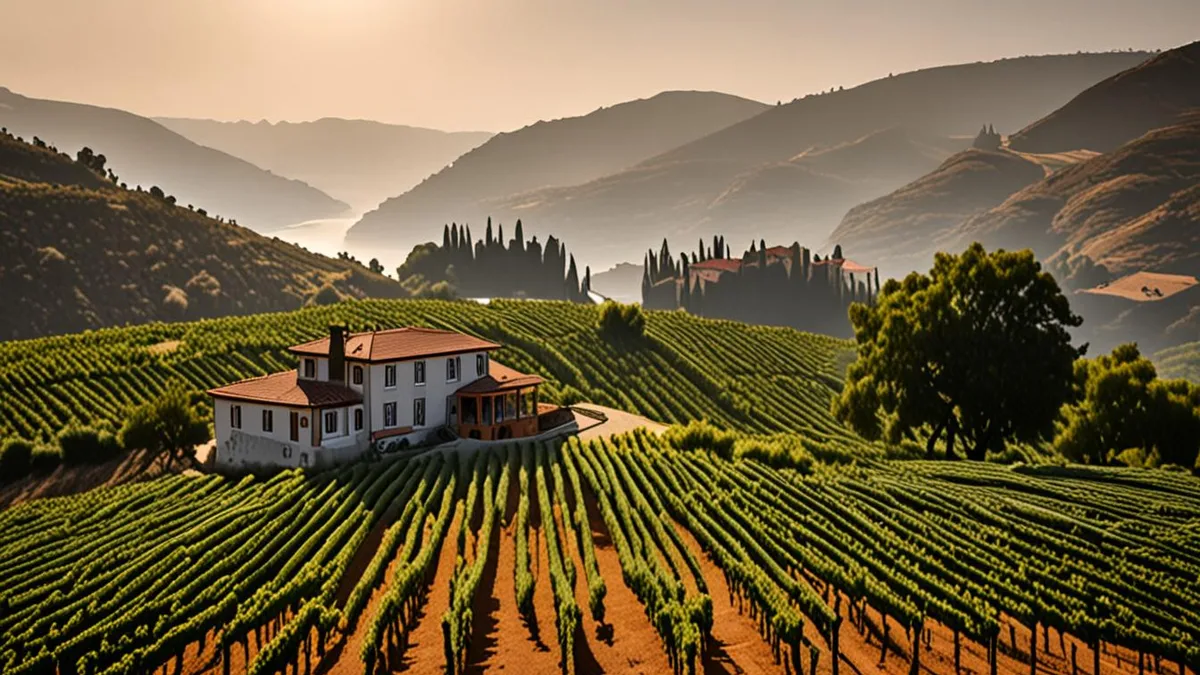
Douro Valley and the North for Wine-Country Stays
For a slower, more scenic kind of villa holiday, the Douro Valley in northern Portugal is hard to beat. This is wine country at its most dramatic: steep terraced vineyards stepping down to a winding river, with small quintas and wine estates scattered along the slopes. Many of these estates rent out quinta-style villas, so you can wake up above the vineyards that produce the wine in your glass.
Getting there and staying put
The practical layout works well for a two-part trip. Douro Valley villas are roughly 1-1.5 hours’ drive from Porto, which makes the region an easy second stop rather than a remote destination. A common approach is to start with a few days in Porto itself, then drive east and settle into a villa for the rest of the stay. That structure suits the region’s pace: once you arrive, most days revolve around the view, the pool, winery visits and long dinners rather than sightseeing checklists.
Timing your visit
September is the most atmospheric month to be here, as harvest season brings activity to the vineyards and a genuine sense of occasion to the valley. The catch is simple: that atmosphere comes with higher demand, so villas fill up faster and prices climb compared with quieter months. If a harvest-season stay appeals to you, look at availability early rather than assuming you can book late. Outside September, the valley is calmer and easier to book, though you trade away some of the harvest energy that makes this region special.
Madeira and the Islands for Year-Round Mildness
Most first-time visitors picture mainland beaches when they think of Portugal, but Madeira offers something different: a subtropical Atlantic island where temperatures stay roughly between 17 and 26°C all year. That consistency makes it one of the few European villa destinations that remains genuinely comfortable even in the middle of winter, when the mainland can feel damp and cool.
Villas here tend to be built for the landscape rather than the beach. Around Funchal and the surrounding hillsides, you will find cliffside properties with sweeping ocean views and garden villas surrounded by banana plantations and subtropical flowers. What you give up is easy beach access — Madeira has few natural sandy beaches, so swimming often means lava-rock pools or hotel facilities. If your ideal villa day involves walking straight onto sand, this may not be the right fit.
Getting there takes planning
Reaching Madeira means a direct island flight from a handful of European cities or a connecting flight through Lisbon or Porto. Either way, add extra travel time to your first itinerary, especially if you are combining the island with mainland stops. Check flight routes and durations with your operator before you commit, as connections vary by departure city and season.
When to Go and How Far Ahead to Book
Timing shapes both the price and the experience of a villa trip to Portugal, often more than the region you pick. June through August is peak season: you get the most reliable sunshine and the liveliest atmosphere, but also the highest rates and the biggest crowds, particularly along the coast. May, September and October strike the best balance for most first-time visitors — the weather stays warm and pleasant, yet the roads, restaurants and beaches feel noticeably calmer, and hosts tend to be more accommodating about arrival days and stay lengths.
Booking lead time matters just as much as the month you choose. Summer villas, especially those with pools in popular towns, get snapped up early, while shoulder-season properties usually leave you more room to be flexible. As a general rule:
- Summer stays: reserve 4-6 months in advance to secure your preferred area and layout, since family-sized villas with pools are limited in number.
- Shoulder-season stays: booking 2-3 months ahead is usually enough, and you may still be able to negotiate on length of stay.
If your dates are flexible, shifting a trip from early July to late September often delivers nearly identical weather at a meaningfully lower cost. The savings can be substantial enough to fund a rental car, extra nights or day trips, so it pays to compare the same villa across two or three different weeks before committing. Check cancellation terms too, since flexible dates usually come with more forgiving booking conditions.
How to Choose the Right Villa for a First Visit
The villa itself can make or break a first trip, so it pays to be picky. For a July or August stay, treat a private pool and air conditioning as essentials rather than luxuries — inland temperatures climb noticeably in high summer, and a villa without cooling can become uncomfortable by mid-afternoon. In shoulder months you can relax these requirements and often save money by doing so.
Location logistics deserve equal attention. Rural properties can look idyllic in photos while sitting an hour down a winding road from the nearest decent supermarket. Before booking, check the driving distance to both the nearest airport and the nearest large grocery store, and be honest about how much driving you want to do on vacation. A few practical checks worth running:
- Restaurant access: favor areas where you can reach several restaurants and cafés within a 10-15 minute drive, so dinners do not become expeditions.
- Road quality: ask whether the final approach to a rural villa is paved or a narrow dirt track, which matters if you rent a smaller car.
- Supermarket hours: smaller village shops often close early or on Sundays, so confirm where you will stock up on arrival day.
For a first visit, convenience usually beats remoteness. You can always choose a more isolated property on a return trip once you know the country better.
Wrapping Up Your Portugal Villa Plan
Portugal’s villa regions each answer a different kind of first trip. The Algarve suits travelers who want beaches and easy logistics, the Lisbon coast pairs city sightseeing with afternoons by the sea, the Douro Valley delivers wine-country calm, and Madeira offers mild weather and dramatic scenery in any season. Choosing between them comes down to matching the area to your stay type: a single-resort week, a city-plus-sea break, or a slower rural escape.
Timing matters just as much as location. The shoulder months of May, September and October bring milder weather and lower rates, while booking four to six months ahead protects both your budget and your options for summer stays. Get those two decisions right—area and season—and the rest of your villa plan tends to fall into place. If this helped you narrow things down, leave a comment or share the article with a fellow traveler.