You did everything right on paper: a reasonable rate, decent reviews, a convenient location. Then you arrive exhausted, flop into bed, and spend the night listening to the elevator ding, the ice machine rumble, and a stranger’s TV through the wall. The truth is that a good night often comes down to how well you chose your hotel room for sleep at booking time — not how much you paid for it.
The good news is that a few small decisions make a big difference. In this guide, we’ll walk through why room location matters more than most travelers realize, how to pick the right view and window side, and what to check on bed size, mattress, and temperature. We’ll also cover blackout curtains and lighting details, a booking strategy for quiet rooms, and special situations for light sleepers, families, and long stays. By the end, you’ll know exactly how to wrap up a sleep-first room choice — starting with something as simple as requesting a room two doors away from the lift.
Why Room Location Decides Your Sleep Quality
When you picture a hotel room, you probably think about the bed first. But the floor your room sits on shapes your sleep just as much. Rooms on floors 4-8 sit above most street-level noise — traffic, delivery trucks and the crowd spilling out of a late-night bar — yet they stay low enough that you can still reach the ground by stairs if the lifts stop working. That middle band is the sweet spot many frequent travelers aim for.
Mechanical hum: the noise nobody warns you about
Mechanical noise is easy to overlook when booking. Rooms beside lift shafts pick up a constant hum as cabins travel up and down all night, and rooms near ice machines get the compressor plus the clatter of guests filling buckets at midnight. Ask for a room at least 2 doors away from the lift and ice machine. Two doors of corridor usually dampen the sound enough to make a real difference.
Vertical noise matters too. Rooms directly above restaurants, the lobby or a rooftop bar absorb bass and chatter that can carry well past midnight — music you feel through the floor rather than hear through the walls. If the hotel has an evening venue, look at the floor plan or simply ask which floors sit above it.
Why corner rooms win
Corner rooms share only one wall with neighbors, cutting transmitted noise roughly in half compared to a standard room wedged between two others. Fewer shared walls means fewer chances of hearing a neighbor’s television, phone alarm or late conversation. When you check in, it never hurts to ask whether a corner room is available — especially on those floors 4-8 where street noise is already out of the picture.
Choosing the Right View and Window Side
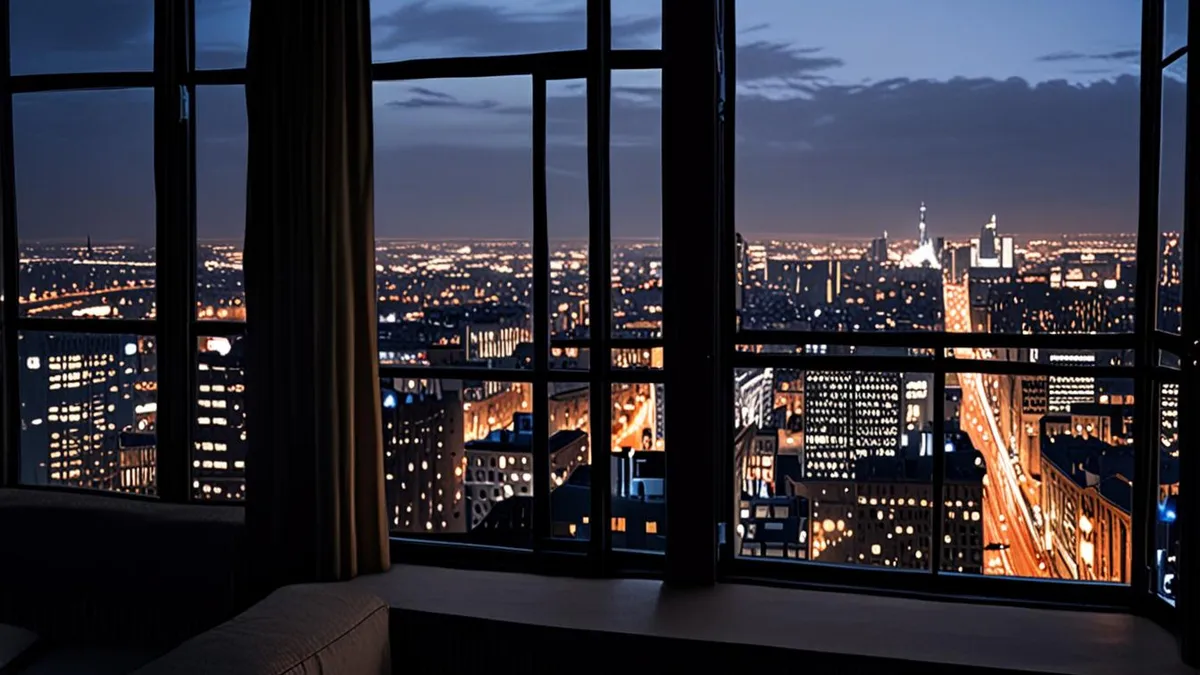
Where your window faces matters just as much as which floor you’re on. A room can be perfectly quiet inside, yet still wake you at dawn with blazing sunlight or keep you up with noise drifting in through the glass. Before you book, think about both the direction your window points and what lies beyond it.
The safest bet for sleep is a room facing an inner courtyard or the rear of the property. These rooms are shielded from street traffic, sirens and the noise of nearby bars. The trade-off is often a less impressive outlook, but for a sleep-focused stay, that’s usually a price worth paying.
Sea-view rooms deserve a special caution. They photograph beautifully and are genuinely lovely to wake up to, but seaside hotels often sit above promenades and beachfront strips that stay lively until late, with chatter, music and scooters drifting upward. If you book one, check recent reviews for mentions of evening noise rather than assuming the view comes with silence. For a calmer take on the seaside, some properties combine water views with genuinely quiet mornings — see these seaside hotels with pale mornings and warm modern interiors for inspiration.
Compass direction matters too, especially if you’re a light sleeper who wakes with the sun. Pull up the property on a map before booking and work out what your window will actually face — most booking sites and hotel websites list the orientation, and a minute with satellite view tells you whether you’re looking at a quiet lane or a main road.
- East-facing windows catch the early sunrise, which floods the room with light well before you may want to wake — a problem even decent curtains struggle to fully solve.
- West-facing rooms stay darker in the morning, making them the better pick for late risers, though they can warm up in the afternoon sun.
- Rooms overlooking parking lots or service areas are usually quiet at night but may see early deliveries and cleaning activity starting before breakfast.
- Rooms facing a park or green space often combine a pleasant outlook with less traffic, though birdsong and early-morning maintenance can still be factors.
Bed Size, Mattress and Temperature Checks
Getting the Bed Right
Bed size matters more than most travelers expect. If you sleep alone, look for a bed at least 150 cm wide — a proper queen rather than a narrow double. Couples are usually happier on a 180 cm king, since a partner tossing and turning on a too-small mattress quietly ruins your night without either of you realizing why.
The mattress itself deserves equal attention. Springy, sagging or worn mattresses are the single most common complaint in budget properties, and no amount of charm in the lobby photos will fix a bad night on one. Before booking, read recent reviews specifically for mentions of sleep quality — phrases like “slept great” or “mattress needs replacing” tell you far more than star ratings ever will.
Temperature and Bedding Extras
The ideal sleeping temperature sits between 16-19°C, so check that the air conditioning is individually adjustable rather than controlled centrally from reception. A room you cannot cool down is a room you will lie awake in, especially in warmer destinations.
Finally, contact the hotel before arrival and ask two simple questions: do they offer a pillow menu, and can they provide extra duvets or blankets on request? Many properties keep a range of pillow firmnesses in storage, but only if you ask. A quick email or call the day before check-in costs you nothing and can make the difference between a mediocre night and a genuinely restful one.
Blackout Curtains, Lighting and Small Room Details
Light leaking under a curtain at 5 a.m. can undo an otherwise perfect room, so check the curtains before you unpack. True blackout curtains should reach all the way to the floor and overlap generously in the middle, leaving no bright seam down the center. Pull them closed on arrival day and stand in the room with the lights off for a moment — if you can see daylight around the edges, ask reception for clips, a different room, or extra drapes.
Lighting matters just as much as darkness. A single harsh ceiling fixture forces you to choose between total darkness and full brightness, which makes winding down awkward. Adjustable bedside reading lights let you dim the room gradually and read without disturbing a partner, and warm low light in the last hour before sleep genuinely helps you drift off.
A few small details separate a well-designed room from a careless one. Use this quick checklist when you first walk in:
- Do-not-disturb sign: confirm one is hanging in the room, so housekeeping does not knock during a morning lie-in or an afternoon nap.
- Door seal: look at the gap at the bottom and sides of the door — a solid seal blocks both corridor light and the sound of trolleys rolling past at night.
- Curtain overlap: check that the two panels actually overlap rather than just meeting, since even a finger-width gap throws a bright line across the bed.
Finally, let reviews do some of the checking for you. Thin walls almost always show up in guest comments as phrases like “heard the TV next door” or “could hear every conversation in the corridor.” Treat any mention like that as a red flag and keep looking, no matter how good the photos are.
Booking Strategy for Quiet Rooms
A quiet room is rarely handed out by luck. Hotels allocate their best sleeping rooms on a first-come basis, and the travelers who plan ahead are the ones who end up on a high floor facing the courtyard, while everyone else takes whatever is left. The good news is that the whole process takes maybe ten minutes of extra effort when you book, and none of it costs anything. Here is how to stack the odds in your favor:
- Book 3-6 weeks ahead. This window gives you the best chance of securing upper-floor, quiet-side rooms at reasonable rates — early enough that the good rooms are still unassigned, but close enough to arrival that rates have not spiked. Last-minute bookings usually leave you choosing between leftovers, so set a reminder rather than relying on memory.
- Add a special request note, then confirm by phone. When booking, write a note asking for a high floor away from the lifts. Around 48 hours before arrival, call the hotel to confirm the request made it into your reservation, since notes are easy to overlook at busy front desks. A friendly, specific request (“a room on a higher floor, away from the elevator, please”) is far more likely to be honored than a vague one.
- Filter reviews by keywords, not scores. Search guest reviews for words like “quiet,” “noise” and “slept well.” A hotel can score well overall while dozens of guests quietly complain about thin walls — the keywords reveal what the average rating hides. If several recent reviews mention hearing neighbors or street noise, believe them over the star rating.
- Avoid the obvious noise traps. Skip rooms advertised directly above entertainment areas, pool decks or airport approach paths, no matter how attractive the rate looks. A bargain that costs you three nights of broken sleep is not a bargain at all.
None of these steps costs anything, and together they do more for your sleep than an extra star on the rating. Make them part of your standard booking routine, and quiet rooms stop being a gamble and start being the default. The few minutes you spend requesting the right room pay you back every single night of your stay.
Special Cases: Light Sleepers, Families and Long Stays
Most sleep advice assumes a standard traveler in a standard room, but different trips bring different challenges. A light sleeper, a family with two young children and a business traveler on a two-week assignment all need different things from a hotel room — and all of them can ask for those things in advance.
Light sleepers and families
If you wake at the smallest sound, prioritize the quiet details when you book: soft-close doors that do not slam, and a room without an in-room minibar, whose compressor can hum all night. Pack good earplugs as a backup, but choose a room that does not fight you in the first place. For a softer, design-led option, look at stays like Seoul design hotels with calm night interiors, where lighting and acoustics are part of the concept.
Families sleep better in connecting rooms or suites, where children have their own space instead of sharing one wall with strangers. Nobody has to whisper after bedtime, and parents can still keep an ear on the kids through the connecting door rather than the corridor.
Long stays and jet lag
For stays longer than 5 nights, a room with a small kitchenette pays off in an unexpected way: fewer room service deliveries means less corridor traffic outside your door, plus the freedom to keep your own quiet evening routine. Time-zone travelers should request blackout curtains and a floor that stays calm in the afternoon, so daytime naps to reset your body clock are actually possible. Ask about both when you confirm your booking — these are among the easiest requests for a hotel to honor.
Wrapping Up Your Sleep-First Room Choice
If you have ever arrived exhausted at a hotel only to lie awake until dawn, the problem usually started at booking time, not bedtime. The good news is that a good night’s sleep depends less on star ratings than on a handful of practical details: the floor level, the distance from lifts and ice machines, and which side of the building your window faces. Get those right and even a modest hotel can outperform a fancier one for rest.
Before you confirm a reservation, verify the physical essentials: a bed wide enough for the way you sleep, air conditioning you can set somewhere in the 16-19°C range, and true blackout curtains with no light gap at the edges. Booking 3-6 weeks ahead gives you the best shot at quiet upper-floor rooms at reasonable rates, and reviews filtered for words like “quiet” and “slept well” tell you more than overall scores. Add a few targeted requests before arrival — high floor, away from the lift, courtyard side — and an ordinary room becomes a genuinely restful one. If this helped, share your own sleep-saving tips in the comments below.