Choosing where to sleep in the Maldives sounds simple until you see the price gap. Maldives overwater villas are the image everyone dreams of, but they typically cost 30-80% more than a beach bungalow at the same resort, and many travelers wonder whether the view is really worth that much extra.
This comparison breaks the decision down honestly. We look at what each stay type actually offers, how they differ in comfort, motion and shade, what you can expect to pay and when to book, how transfers from Malé work, and which type of traveler suits each option. By the end, you should know exactly which one fits your trip, or whether splitting your stay between the two is the smarter move.
What Maldives Overwater Villas Actually Offer
The defining feature of an overwater villa is the private deck with a ladder that drops you straight into the lagoon. You can roll out of bed, step onto your deck and be snorkeling within a minute, without ever walking to a beach. Most villas sit 100-400 meters offshore, reached by a private jetty or, at some resorts, a short boat transfer from the island itself.
Because nothing stands between you and the horizon, the ocean views are uninterrupted in every direction. Many designs include glass-floor panels or viewing panels in the living area, so you can watch fish and rays pass beneath you without getting wet. It is a completely different experience from looking out at a beach with other loungers in the frame.
Privacy and sun exposure
Overwater villas also tend to offer more privacy from neighbors. You are separated from other guests by open water rather than a stretch of sand, so you can swim, sunbathe and relax without an audience. The trade-off is shade: decks sit in full sun for most of the day, with limited natural cover, so you will want good sunscreen, a hat and possibly a plan to retreat indoors during the strongest midday hours.
What a Beach Bungalow Gives You Instead
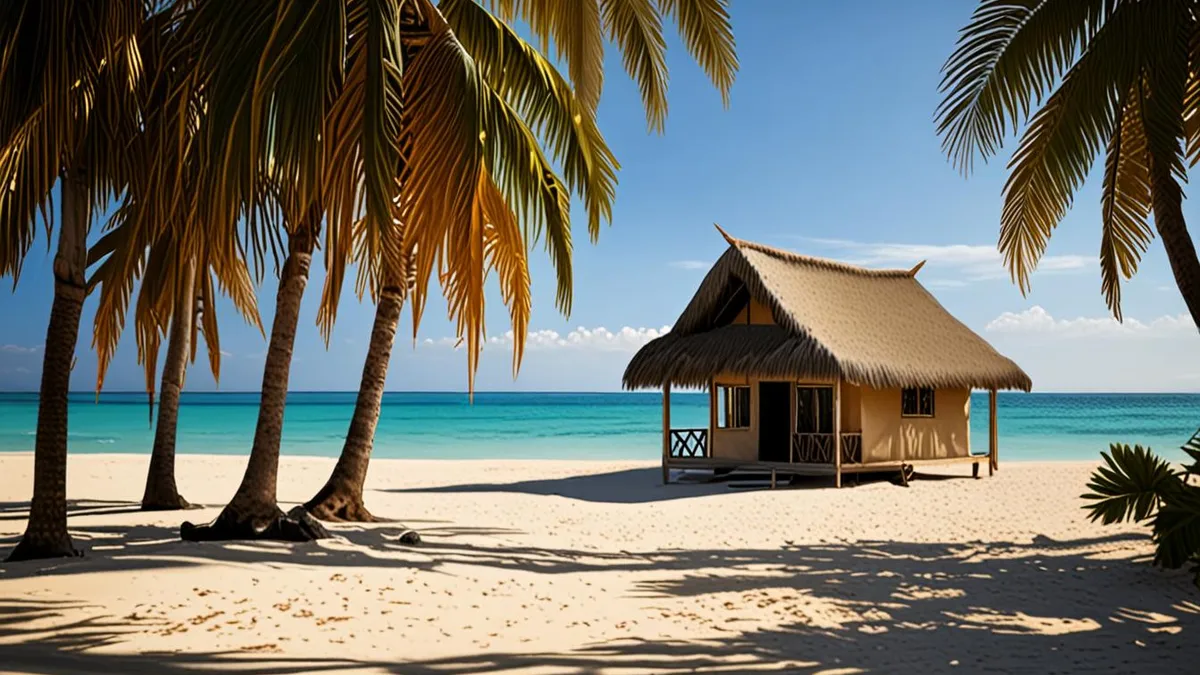
A beach bungalow puts the island itself at your doorstep. You step outside directly onto sand, with shaded trees and natural vegetation surrounding your room. Instead of a deck over open water, you get a garden setting where you can walk barefoot to the shore, sit under palm shade at midday and enjoy the greenery that overwater villas simply cannot offer.
Convenience around the resort
Getting around is easier too. Restaurants, pools and the spa are typically a short walk away, with no jetties to cross or boat transfers to arrange. This matters more than you might expect after a long day in the sun, especially if you are carrying towels, snacks or tired children back to your room several times a day.
The price advantage
The biggest argument for a bungalow is the cost. At the same resort, beach bungalows typically run 30-80% cheaper than an equivalent overwater villa. That difference can fund extra nights, diving excursions, spa treatments or a nicer dining experience, all while you still enjoy the same lagoon, house reef and resort facilities. You share the same island and the same water; you simply sleep on land rather than above it.
Comfort Differences: Motion, Noise and Shade
Comfort is where the two stay types feel genuinely different, and it goes beyond the view. Overwater villas are built on stilts above open water, so on windy days the whole structure can feel subtle movement underfoot. Most guests barely register it, but sensitive sleepers may notice a gentle sway at night, particularly during breezier weather. If you know you are easily unsettled by motion, it is worth asking the resort whether certain villa designs sit more sheltered within the lagoon before you commit.
Sound works differently too. Over water, the wave and wind sounds are constant, which many people find soothing but a light sleeper might not. Beachside rooms hear more resort activity instead: footsteps on sand, distant music from bars, other guests passing by on the path outside your door. Neither option is objectively quieter, so think about which background noise you would rather fall asleep to.
What to weigh before booking
- Deck temperature at midday: overwater decks get full sun exposure with little natural cover, so surfaces can become too hot to walk on barefoot during the strongest hours.
- Air conditioning dependence: with shade limited over water, you will likely rely on indoor cooling more than in a shaded garden bungalow.
- Sand versus decking: beach rooms bring soft sand and cool grass underfoot, while overwater living means hard decking and regular trips up and down steps to the water.
On balance, beach bungalows win on shade and comfort during the midday heat, while overwater villas trade that for the soundscape and experience of living directly above the lagoon. Neither choice is wrong; it simply comes down to whether you prioritize natural shade and soft ground underfoot or the feeling of being surrounded by open water day and night.
Price Ranges and When to Book
Price is where these two stay types diverge most sharply. Entry-level overwater villas typically run around USD 600-900 per night, while comparable beachside rooms usually start from USD 350-600. That gap reflects the lagoon access, larger decks and privacy that come with villas built over the water, plus the engineering involved in constructing them on stilts above the reef.
Timing matters just as much as room type. The dry season from November to April is the busiest period, so resorts fill early and rates climb as availability shrinks. The wetter months from May to October bring noticeably lower prices, and the trade-off is usually short rain showers rather than days of gray skies. Many travelers find the savings outweigh an hour of rain in the afternoon, especially when the sea stays warm enough for swimming and snorkelling between showers.
A few booking rules of thumb will help you lock in the better rate:
- For a November to April trip, aim to book 4-9 months ahead; the most popular villa categories can sell out many months before departure.
- In the May to October window, 2-4 months of lead time is often enough, and some resorts release last-minute offers then.
- Check whether meals and transfers are bundled into the quoted rate, since these extras can shift the real difference between the two room types.
- Watch for promotions tied to longer stays, which some resorts run in low season to keep occupancy steady.
Getting There: Transfers from Malé
Almost no Maldives resort sits close enough to the airport to walk or taxi to. Getting there is part of the experience, but it needs planning, because your transfer is scheduled and paid separately from your room. Before you fly, send your resort your international flight details so they can book your transfer slot; without confirmed timings, you risk long waits or missed connections on the day you arrive.
- Land at Velana International Airport near Malé, the arrival point for virtually all international flights into the country.
- Meet your resort’s transfer desk in the arrivals area, where staff confirm your booked seaplane or speedboat slot and handle your luggage tags.
- Travel by seaplane, typically 15-45 minutes, with scenic views over the atolls on the way, or by speedboat, usually 20-60 minutes depending on the distance to your resort.
- Arrive at the resort jetty, where staff welcome you and take you straight to your villa or bungalow, often with check-in completed in your room.
Two practical points deserve attention. Seaplanes typically operate only in daylight, so if your international flight lands late in the evening, expect an overnight at an airport hotel before your transfer the next morning. Booking a hotel near the airport in advance, rather than negotiating on arrival, saves both money and stress after a long-haul flight.
The second point is cost. Transfer fees apply equally whether you book an overwater villa or a beach bungalow, and they are usually charged per person for the round trip, so a couple staying a week can add a meaningful amount to the total. Seaplanes generally cost more than speedboats, which matters when comparing resorts at different distances from Malé. Build these transfer costs into your budget from the start rather than treating them as an afterthought, and check the current rates with your resort when you book, as they change regularly.
Who Should Choose Which Stay Type
The right choice depends less on which room type is objectively better and more on how you actually travel. Overwater villas suit couples who want privacy, uninterrupted ocean views and the ability to slip off their deck straight into the lagoon for a swim or a snorkel. Beach bungalows suit travelers who value shade, easy access to the island’s facilities and a lower nightly rate that stretches a longer stay.
Neither option is wrong; they simply serve different trips. Some quick guidance by traveler type:
- Honeymooners usually get the most from an overwater villa, where the deck, the ladder into the lagoon and the distance from neighbors create a genuinely private retreat.
- Families with small children often prefer a beach bungalow, since direct sand access and nearby shade make supervision easier than a deck over open water.
- Budget-conscious travelers staying a week or more can save meaningfully with a bungalow, freeing funds for diving, dining or a longer trip.
- Shade seekers should note that overwater decks get full sun exposure, while bungalows sit among trees that cool the midday heat.
A popular compromise is to split a week at one resort, spending 3-4 nights in each stay type. You get the villa experience without paying the premium for the whole trip, and you finish with a clear sense of which one suits you for future visits. Many resorts are happy to arrange this, so it is worth asking when you book rather than assuming it is impossible.
Whichever route you lean toward, match the room to the trip you are really taking rather than the one in the brochure photos.
Making Your Choice with Confidence
Choosing between the two comes down to what you are willing to trade. An overwater villa trades price and shade for privacy and direct lagoon access from your deck. A beach bungalow trades the uninterrupted ocean view for comfort, natural shade and noticeably better value at the same resort.
Remember that season, transfer logistics and your overall budget shape the experience as much as the stay type itself. Whichever you pick, booking within the lead-time windows covered above is what secures the better rates. If this helped you decide, leave a comment or share the article with someone planning their own Maldives trip.