You’ve narrowed it down to two canvas homes, and now the booking page is staring back at you. The safari tent vs yurt question trips up a lot of first-time glampers, because both promise a real bed under canvas but deliver very different nights. A safari tent is a spacious tent with mesh windows and a private deck; a yurt is a round, solid-walled structure with a dome skylight overhead. Choosing wrong can mean sweating through a hot week or shivering through a windy one.
This guide walks through the core differences at a glance, how each structure handles weather and season, and what a night inside actually feels like in terms of comfort and noise. We’ll also cover price and booking lead times, how to match the stay to your destination, and practical packing prep for each. By the wrap-up, you’ll know exactly which one fits your trip.
Safari Tent vs Yurt: The Core Differences at a Glance
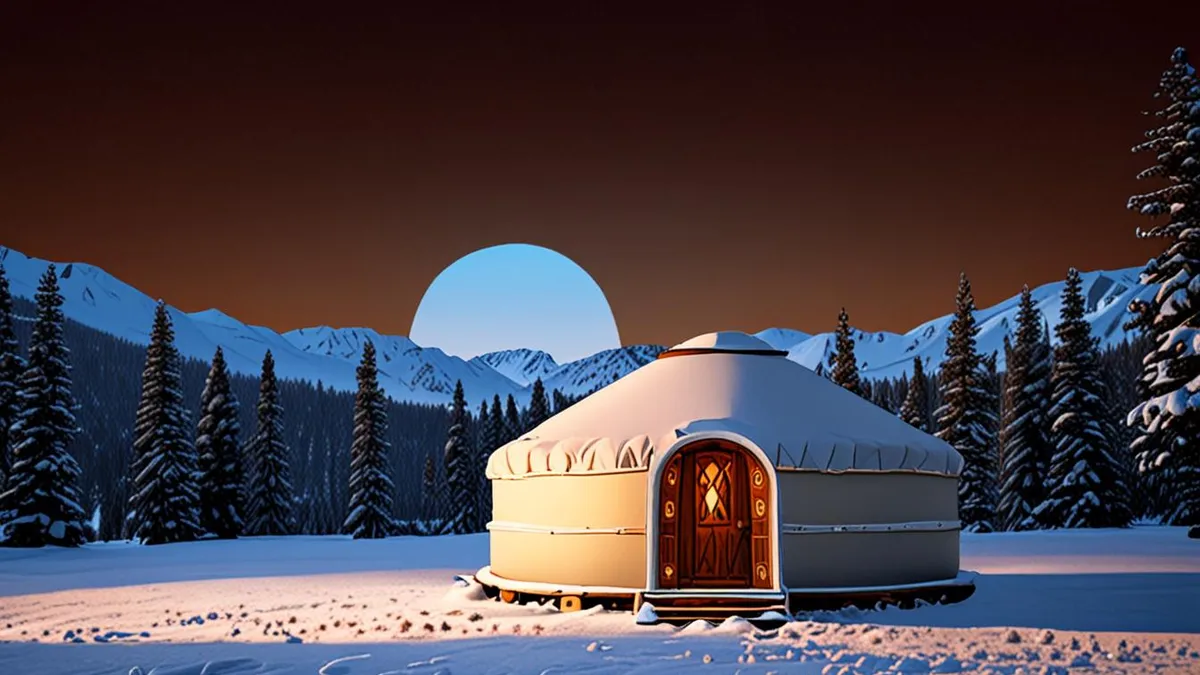
At first glance, both structures promise canvas walls and a step up from ordinary camping, but their shapes set very different expectations. A safari tent is a rectangular build: a timber or steel frame stretches heavy canvas over a boxy floor plan, usually with straight walls you can stand beside and windows running along the sides. A yurt is round, built from an expandable lattice wall topped by angled roof poles that meet a central compression ring, all covered in fabric and crowned with a dome at the peak.
That shape difference matters more than it sounds. The safari tent’s rectangle makes furniture placement straightforward — beds line the walls, and there’s often a dedicated lounge corner. The yurt’s circular layout has no corners, so the space feels open and flowing, with the central ring drawing your eye upward. Many travelers find yurts feel surprisingly roomy for their footprint; the open floor plan tends to offer more usable space per square meter than a comparable tent.
Capacity and space
Both structures handle couples and families, though the upper limits differ slightly. Safari tents typically sleep 2-5 guests, while yurts typically sleep 2-6, so larger groups may find more options in yurt listings. If you’re traveling with kids and want floor space for luggage, cots and gear, a yurt’s open center often works in your favor.
Signature features to look for
Each structure has its own trademark perks. Safari tents commonly come with a private deck — a raised platform where you can sit with morning coffee or watch for wildlife — plus mesh window walls that let air move through while keeping bugs out. Yurts counter with a central dome skylight, which turns the ceiling into a stargazing window from your bed. When comparing specific listings, look past the category and check which of these features each individual site actually includes.
Weather and Season: Which Structure Handles Your Climate
Weather is the single biggest factor in choosing between these two structures, because they handle the elements very differently. A safari tent is essentially canvas from roof to floor. That makes it wonderful in mild, dry conditions, but it also means most safari camps close during heavy rain, storms or winter. If your trip falls in a wet or cold window, a safari tent site may simply not be open.
Yurts are built for tougher weather. The lattice walls are typically insulated and lined with felt, which holds warmth far better than a single layer of canvas. That is why yurts tend to run from late autumn through early spring in temperate regions, when safari tent sites are shuttered. If your dates fall outside the warm months, check what each site offers — and if you’re considering a cold-season trip, the guide to the best seasons for glamping in the Scottish Highlands is a useful starting point.
Hot climates flip the equation
Heat changes the picture entirely. In warm destinations, a safari tent often beats a sealed yurt for comfort. Mesh window panels keep air moving, and a shaded deck gives you a breezy outdoor living space during the hottest hours. A yurt, by contrast, is a more enclosed space, and without good ventilation it can feel stuffy by mid-afternoon.
The practical takeaway: pick a yurt for wind, cold and shoulder-season trips, and a safari tent for warm, dry weather. Always confirm a specific site’s seasonal opening dates before booking, since they vary by location and operator.
Comfort and Noise: What a Night Inside Actually Feels Like
Here’s the honest truth about a night in a safari tent: you’ll hear everything. The canvas walls and mesh window panels that make these tents feel so open during the day also let sound travel straight through. Expect to wake to birdsong at dawn, fall asleep to rain drumming on the roof, and catch snippets of conversation from the neighbors if the site is busy. Some travelers love this immersive, close-to-nature feel. Others lie awake wishing they’d packed earplugs.
Yurts are noticeably quieter. The solid door, felt-lined lattice walls and circular shape dampen outside noise far better than thin canvas, so the space feels more like a small cabin than a tent. You’ll still know it’s raining outside, but it sounds distant rather than overhead. If you’re a light sleeper or traveling with someone who needs silence to sleep, this difference alone can decide the comparison.
Beds and bathrooms
Both structures usually come with real beds on proper frames, so neither stay means sleeping on the ground. Most glamping sites also offer an en-suite bathroom or a clean, private bathroom block a short walk away, though setups vary a lot between operators, so check the listing details before booking.
The main comfort difference is outdoor space: most safari tents include a private deck, which effectively doubles your living area and gives you a spot for morning coffee or sunset drinks without leaving your room. Yurts trade the deck for a central dome skylight, which is hard to beat for stargazing from bed. If you’re weighing the two for a first trip, our guide to glamping in New Zealand for first-timers shows how these choices play out at real sites.
Price and Booking Lead Times
Glamping pricing is more predictable than most travelers expect. Both safari tents and yurts typically fall in the same peak-season band of roughly $150-$400 per night, so the structure itself rarely decides your budget. What matters more is when you book and where the site sits on the demand curve.
Timing is where the two differ. Safari tents in popular summer destinations sell out early, because operators often run a limited number of units and many close outside mild, dry months. If you have fixed summer dates, treat the booking like a flight reservation rather than a casual weekend plan.
Yurts reward flexibility. Because many yurt sites operate through colder months, shoulder-season stays often come with noticeably lower rates and far better availability than peak summer weekends. If your schedule allows a midweek trip in late autumn or early spring, that is usually the easiest value play of the two options.
- Ask about midweek pricing: yurt operators are more likely to discount Tuesday-Thursday nights, especially outside school holidays, while safari camps often hold flat peak rates.
- Compare what the rate bundles: some prices include linens, heating and breakfast; others charge these as add-ons, which can swing the real cost by a meaningful margin.
- Watch cancellation terms: safari tent bookings made months ahead should come with a clear refund or rebooking policy, since weather-dependent closures do happen at some sites.
- Factor in the full trip: a cheaper nightly rate can be offset by distance, so weigh accommodation cost against driving time and fuel before committing.
- Know the wider cost picture: if you are still weighing whether glamping suits your budget at all, this comparison of glamping versus camping costs and comfort breaks down what you are actually paying extra for.
Matching the Stay to Your Destination
Where you’re headed should shape which structure you book. Safari tents were born on African savannas, and they still shine in warm, open landscapes: game reserves, coastal dunes, and sun-baked sites where shade and steady airflow matter more than insulation. A shaded deck and mesh window panels make far more sense in a breezy beachside camp than a sealed circular wall would.
Cold highlands and windy plains favor the yurt
Yurts come from the steppes of Central Asia, and their design still reflects that heritage. They suit highlands, mountain valleys, and open plains where nights turn cold and wind is a real factor. The round, insulated walls hold warmth, and many yurt sites add stoves or heaters for the colder months. If your destination is a mountain region or anywhere with chilly evenings, a yurt typically makes the more comfortable base.
Check the seasonal calendar before you book
Seasonal opening matters as much as location. Many safari camps close entirely during the wet season, when canvas structures and dirt roads become impractical, so confirm your chosen site’s operating dates before locking in travel plans. Yurt sites, by contrast, often run year-round, and some of the best stays happen in late autumn or winter when the landscape is quiet and the structure earns its keep. Always check current opening seasons directly with the operator, since closures can shift year to year with weather and maintenance schedules.
Packing and Practical Prep for Each Structure
Safari tents live outdoors in a way few other accommodations do. Canvas breathes, so temperatures drop noticeably once the sun sets, even in warm seasons. Pack layers you can add or shed easily: a fleece or light down jacket for evenings, plus long sleeves for sitting on the deck after dark. A torch or headlamp is essential, since many sites keep lighting deliberately low to preserve the atmosphere and any nearby wildlife.
Yurts present the opposite packing problem. Even with a stove or heater running, the floor and air near the ground can stay cool through the night, so bring slippers or thick socks and warm sleepwear rather than assuming indoor warmth. If you tend to get cold sleeping, an extra layer on the bed costs nothing to pack and makes a real difference in a yurt in late autumn or early spring.
Before you pack duplicates of anything, message the site and confirm exactly what’s included. Some glamping operators supply full linens, towels and a stocked kitchen; others provide only beds and a shared cooking area. A quick email saves you hauling a sleeping bag or camp stove you’ll never use.
- Insect repellent for safari tents: mesh window walls keep out most bugs, but evenings on the open deck are another story, so a repellent spray or wipe belongs in your daypack.
- A small dry bag or zip pouch: useful in both structures for keeping phones and chargers safe from condensation, which canvas walls and yurt stoves can both generate overnight.
- Earplugs: safari tents let in ambient sound by design, and light sleepers may appreciate them even if they’re not usually needed.
- A reusable water bottle: many glamping sites sit away from shops, and some provide filtered water stations rather than bottled water.
The Wrap-Up: Choosing Between a Safari Tent and a Yurt
So which canvas home should you book? If your trip lands in a warm, dry season and you want that open-air feel with a private deck, the safari tent is the natural fit. If your destination brings cold nights, wind or a shoulder-season date, the yurt’s insulated walls make it the more comfortable choice.
Price won’t decide it for you: both structures sit in that roughly $150-$400 per night peak-season range, so let season and destination drive the decision instead. Match the structure to your climate, remember to book safari tents 3-6 months ahead for summer dates, and you’ll land on the right stay. If this helped you choose, leave a comment or share the article with a fellow traveler.