Most travelers fall in love with the idea of glamping in Patagonia long before they understand how different the region is from anywhere else. The hard part is not finding a beautiful dome or safari tent — it is deciding where to base yourself and which of Patagonia’s very different seasons actually matches the trip you want. Torres del Paine and El Chaltén offer iconic views but fill up fast, while Aysén and Tierra del Fuego reward travelers who want more solitude.
This guide walks you through the decisions that matter most: why Patagonia’s weather and remoteness shape every glamping stay, which regions suit which travelers, how the November to March season compares with the quieter shoulder months, what the main stay types look like and what they typically cost, how to choose and book your base, and how to pack for conditions that can change within a single day. By the end, you should be able to pick a region, a season and a camp with confidence.
Why Glamping in Patagonia Is Different From Anywhere Else
Ask anyone who has camped or glamped in Patagonia what defines the experience and they will say the same thing: the weather. Strong Patagonian winds are a constant, and the region is famous for delivering four seasons in a single day — sunshine, rain, hail and calm can all pass through within hours. This is not a detail; it shapes how glamping sites are designed. Domes are anchored deep into the ground, canvas is tensioned and reinforced, and wood stoves are standard rather than a luxury.
Remoteness changes how you plan
The second defining factor is distance. Most glamping sites sit far from airports and cities, and reaching them typically involves long drives on gravel roads, ferry crossings or small-plane connections. In other destinations you might book a camp based on price or reviews alone; in Patagonia, location choice matters more, because a poorly planned route can cost you days of travel time.
The third factor is the season window itself. Patagonia’s glamping season is short, and the best camps sell out their peak dates long before casual travelers start looking. Availability, not price, is usually the first constraint you hit — a very different dynamic from most glamping destinations, where you can often book a few weeks ahead and still have options.
Best Regions for Glamping in Patagonia
Patagonia spans both Chile and Argentina, and the glamping experience changes noticeably depending on which side you choose. Each region has its own character, its own access routes and its own reasons to visit, so it pays to match the area to the trip you actually want rather than defaulting to the most famous name. A traveler chasing iconic day hikes will be happier near El Chaltén, while someone who wants silence and wide-open skies will get more out of the southern reaches of Aysén.
The four main options below cover most travelers, from first-timers chasing the classic views to repeat visitors who have already seen the highlights and want something quieter. As you compare them, think about how much driving you are willing to do, whether you want guided trekking packages or independent access to trails, and how important wake-up views of jagged peaks are to you. If you are weighing destinations further afield as well, it can help to see how another country structures the same decisions — this guide on where to go glamping in New Zealand for first-timers covers similar questions of region, season and stay type.
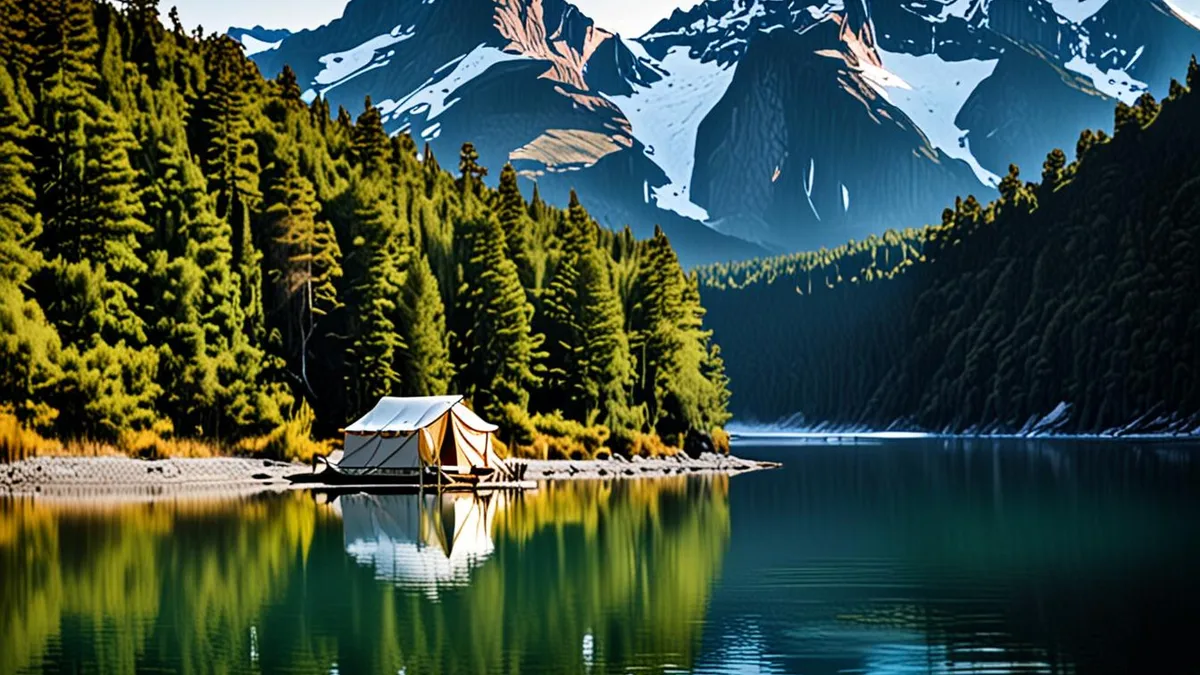
- Torres del Paine, Chile: dome camps here sit on the steppe and along lake shores, and many offer direct views of the Paine massif from your bed or terrace. It is the flagship area, so expect the widest choice of camps and the deepest demand for peak dates.
- El Chaltén and El Calafate, Argentina: these trekking towns work as bases, with eco-domes and stays on working estancias nearby. The advantage is combining glamping with day hikes toward Fitz Roy and a visit to Perito Moreno glacier without changing hotels constantly.
- Aysén and the Carretera Austral, Chile: the quiet option. Riverside and fjord-side camps here suit travelers who want Patagonia’s landscapes without the Paine crowds, though roads are slower and planning matters more.
- Tierra del Fuego: the far-south choice near Ushuaia, best combined with Beagle Channel boat trips and end-of-the-world itineraries rather than treated as a trekking destination.
Choosing Your Season: November to March vs the Shoulders
Patagonia’s glamping season is short, and choosing your dates matters more here than in almost any other destination. The high season runs from November to March, and this is the only reliable window for full services, long daylight — more than 16 hours in December — and access to all trails. If you want the classic experience with everything open, aim for these months.
The shoulder months: October and April
October and April bring fewer crowds, lower rates — typically roughly 20-30% below peak — and a moodier, more atmospheric light that photographers often prefer. The trade-off is practical: some camps open late in October or close early in April, so you need to confirm exact operating dates with each property before booking. If you enjoy planning around seasons, the same logic applies in other destinations, as this guide to the best seasons for glamping in the Scottish Highlands shows.
Peak, mid-season and winter
December and February are the busiest months, and you should book 6-12 months ahead for them. January sits between the two peaks and tends to have slightly thinner crowds while still offering full services. From May to September, winter closes most glamping operations or reduces their capacity significantly — this period suits lodges and city-based trips instead, so if winter travel is your only option, plan around hotels rather than domes.
What Patagonian Glamping Stay Types Look Like
If you have never slept in a glamping dome before, Patagonia is the place to learn what these structures can do. Geodesic domes dominate the region for a good reason: their rounded shape sheds the strong Patagonian winds far better than flat-sided tents, and most are anchored deep into the ground to handle gusts that would flatten ordinary camping gear.
Step inside a typical dome and you will find real beds on solid platforms, a wood stove ticking away in the corner, and either an en-suite bathroom or a short walk to a shared one. Safari-style canvas tents and yurts also appear here, mainly on working estancias and lake shores. They often give you more floor space than a dome, though the trade-off is greater exposure to the weather when the wind picks up overnight.
Rates vary widely. Expect roughly $250 per night in shoulder season, rising to well over $1,000 at flagship dome camps during the busiest months. Before you compare specific camps, it helps to understand the differences between tent styles, and this guide to choosing between safari tents, domes and yurts breaks down what each structure handles well.
One more thing to weigh: pricing structures. Many Patagonian camps price themselves as all-inclusive operations, and the math often favors them.
- All-inclusive packages commonly bundle guided treks with naturalist guides, which saves you arranging and paying for hikes separately in remote areas where independent operators are scarce.
- Meals are usually part of the deal, a real advantage when the nearest restaurant or supermarket may be an hour or more away by road.
- Transfers from the nearest town or airport are frequently included in packages, which matters when camps sit down long gravel roads that rental cars handle slowly.
- Room-only rates can look cheaper at first glance, but once you add dinners, drinks and excursions, the all-inclusive option often works out as better value.
How to Choose and Book Your Patagonia Glamping Base
Booking a glamping base in Patagonia is less about finding the prettiest dome and more about building a sensible plan. The region is big, remote and split between two countries, so a few decisions made early will shape your whole trip. Rushing this stage is the most common mistake travelers make, and it usually costs them either their preferred camp or their preferred dates.
- Choose your side of the border first. Torres del Paine in Chile and El Chaltén in Argentina sit roughly 300 km apart across the border region, and the overland crossing between them eats a full travel day. Most travelers pick one side and build the trip around it rather than shuttling back and forth.
- Match the region to your main activity. If the W or O trek is the goal, base yourself near Torres del Paine. If you want day hikes that start straight from your doorstep, El Chaltén is built for exactly that. If solitude matters more than famous trails, look at Aysén, where camps are scattered and crowds thin out fast.
- Book far ahead for peak dates. The high season fills up fast, especially around the holidays and the height of summer, so reserve your dome as early as your plans allow. The shoulder months of October and April are more forgiving, with a few months of lead time usually enough.
- Interrogate the listing details. Check how exposed the site is to wind, whether heating is a wood stove or something less reliable, and whether bathrooms are en-suite or shared. Then confirm transfers: some camps pick you up from the nearest town or airport, others expect you to arrange your own transport down long gravel roads.
Once these four boxes are ticked, everything else falls into place around your base. Get the region and the dates right, and even a modest dome becomes one of the most memorable rooms you will ever sleep in.
Packing and Preparing for Patagonian Conditions
Patagonia in summer looks gentle on paper, with daytime temperatures typically between 10-20°C. In practice, the weather refuses to sit still. A calm, sunny afternoon can swing to near freezing by night, and that chill finds its way inside even heated domes if you are not dressed for it.
The wind deserves special respect. Gusts here routinely exceed comfortable hiking conditions, which is why windproof outer layers matter more than heavy insulation. A thick down jacket is wonderful at camp in the evening, but on the trail a good hardshell that blocks the wind will do more for your comfort than any amount of fleece.
Remote camps also change how you pack. Laundry facilities are limited or nonexistent at many sites, and resupply options are thin once you leave the main towns. Pack so that you can function for several days without a store or a washing machine, and think in terms of systems rather than single items.
- Use a three-layer system: a moisture-wicking base layer, an insulating midlayer such as fleece or light down, and a windproof shell you can pull on the moment conditions turn.
- Bring a headlamp with fresh batteries, since remote camps often have minimal outdoor lighting and paths between domes can be dark and uneven after dinner.
- Pack dry bags or zip-top bags to protect electronics, spare socks and documents from rain, river spray and the fine dust that gravel roads kick up.
- Favor quick-dry clothing over cotton, which stays damp for days in this climate and is miserable to put on again on a cold morning.
- Carry a small repair kit with spare cord and tape, useful for everything from a blown tent zipper to a bootlace that snaps mid-trek.
Wrapping Up Your Patagonia Glamping Plan
If this is your first trip to Patagonia, start with the classic route linking the famous granite towers with the trekking hub at the foot of Fitz Roy. The roughly 300 km overland journey between the two makes it easy to combine both in one itinerary, and you will find the widest selection of dome camps along the way. If you have been before and crave quiet, point your compass toward Aysén or Tierra del Fuego instead.
Timing matters just as much. November to March is the core window when camps run at full capacity and daylight stretches late into the evening, while October and April reward flexible travelers with lower rates and thinner trails. For December and February, plan on booking 6-12 months ahead. Settle those two decisions early and the rest of your trip falls into place. Have a question or your own Patagonia tips? Leave a comment or share this article.