You land at 8:00 AM, exhausted, and your room will not be ready until the afternoon. Or the opposite: your flight leaves at 9:00 PM, but you had to hand over your keys at 11:00 AM, leaving you with a long, bag-laden wait. Either way, you are standing at the front desk wondering what the staff can actually do for you. The answer often depends on understanding how hotel check-in and check-out times really work.
This guide walks through the standard times most hotels follow, then explains how to get into your room earlier and squeeze extra hours out of your departure day. We also cover late-night and red-eye arrivals, how to plan your travel day around these deadlines, and the specific questions worth asking before you book. By the end, those awkward gaps between flights and room availability become time you can actually use.
What Are Standard Hotel Check-In and Check-Out Times?
Most hotels around the world set check-in somewhere between 2:00 and 4:00 PM. That is not an arbitrary rule; it gives housekeeping time to turn rooms over after the morning check-out rush. Since a room typically needs roughly 30-60 minutes of cleaning between guests, a hotel with a full house may need every hour of the morning and early afternoon to get everything guest-ready.
On the departure side, check-out usually falls between 10:00 AM and noon, with 11:00 AM the single most common deadline. That timing gives the cleaning crew a predictable block of hours to prepare rooms for the next wave of arrivals.
Why resorts and city hotels differ
Resorts and large full-service properties often run later check-in windows, typically 3:00-4:00 PM, because they handle more rooms, more turnover, and more guests arriving for multi-night stays. City business hotels, which see shorter stays and steady weekday turnover, more often open check-in closer to 2:00 PM. Neither approach is better; they simply reflect how each type of property manages its cleaning schedule.
The practical takeaway: never assume the time printed on one confirmation applies everywhere. Times vary by property, and even by season, so it pays to check before you plan your arrival day around a specific hour.
Early Check-In: How to Get Into Your Room Sooner
If you land in the morning, waiting until 3:00 PM to shower and drop your bags is nobody’s idea of a good start. The good news is that early check-in is often possible, but your odds improve dramatically when you ask the right way. The single biggest mistake travelers make is waiting until they are standing at the desk to negotiate. Asking when you book, or 24-48 hours before arrival, works far better: the hotel can flag your reservation and, when possible, assign you a room from the previous night’s inventory.
It also helps to set realistic expectations. When rooms are available, early check-in requests succeed roughly 30-50% of the time, and occupancy is the deciding factor. A few ways to improve your chances:
- Book the night before. If you reserve the room starting the previous evening, the space is yours from the moment you arrive, and some hotels will extend a discounted version of this for very early arrivals.
- Ask about a guaranteed early arrival fee. Some properties will promise a ready room at a set hour for an extra charge, which can be worthwhile after an overnight flight.
- Request a room away from elevators or on a lower floor. These rooms are often turned over first and may be ready sooner than premium categories.
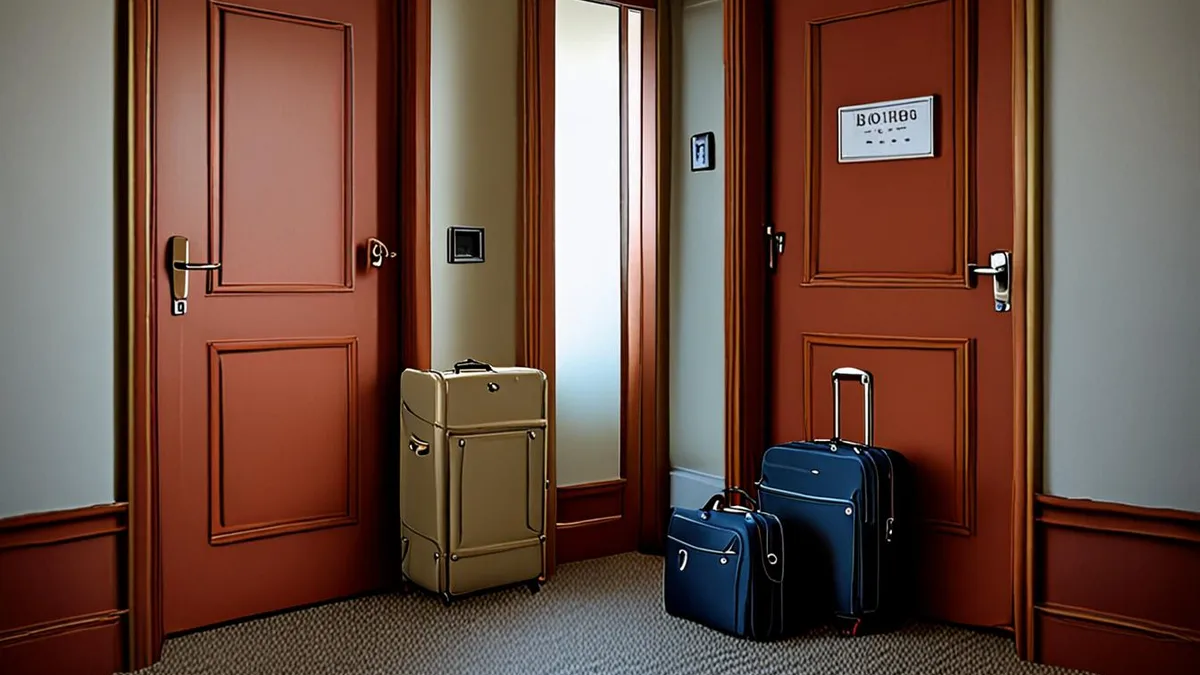
If the room is simply not ready, ask the front desk to store your luggage (this is nearly always free) and use the waiting time well. Many hotels will let arriving guests use the pool, gym, or lobby seating, and a fresh change of clothes in your carry-on turns a two-hour wait into a minor inconvenience. For more pitfalls to sidestep, see this guide to common hotel booking mistakes and how to prevent them.
Late Check-Out: Options When You Need Extra Hours
On the other end of your stay, late check-out is one of the easiest perks to get for free, yet most travelers never ask. Many hotels will grant 1-2 extra hours at no charge, especially on quieter days when the room does not need to be turned over immediately. A polite request the evening before departure, or at breakfast on your final morning, gives the front desk time to check the next day’s arrivals before answering.
When there is a fee
Once you go beyond that courtesy window, late check-out usually stops being free. Hotels often charge by the hour or apply a half-day rate for departures well past the standard deadline, so it is smart to ask what the fee would be before agreeing to it. On a short trip, an extra two or three hours with a bed, a shower, and your bags unpacked can be worth far more than the cost.
Your odds of a free late departure improve with two things: elite status in the hotel’s loyalty program, which often includes late check-out as a listed benefit, and midweek stays, when occupancy is typically lower than on weekends.
If the hotel refuses because the room is genuinely booked, do not give up on comfort. Ask whether a day room is available for a few hours, or store your luggage at the desk and use the gym to freshen up before you leave. Either option turns a dead afternoon into a workable one.
Arriving Very Early or Late: Night Arrivals and Red-Eye Flights
Red-eye flights and overnight trains often drop you at your hotel long before anyone expects you. If you land before 8:00 AM and you genuinely need a bed the moment you arrive, the only reliable fix is to book the previous night as well. Yes, you pay for a night you barely use, but the room is ready the second you walk in, and you can sleep instead of dragging your bags around a lobby.
For arrivals later in the evening, things are usually easier. Most hotels handle after-hours arrivals without any problem, but it pays to tell them in advance. A quick email or call lets the front desk expect you, keep your reservation active, and arrange either a staffed night desk or a key code if the lobby closes. If you are staying somewhere smaller, this step becomes essential rather than optional.
Small guesthouses, family-run homestays and rural B&Bs often have no night staff at all. The owner may live off-site and simply leave a key in a lockbox, or they may lock the door at a set hour and go to bed. Always confirm your arrival time with these places before you travel, and ask exactly how you will get in if you show up after dark. If a good night’s sleep is your priority on this trip, it is worth reading how to choose a hotel room for a good night’s sleep before you book, since a quiet room matters as much as a smooth arrival.
- Airport hotels frequently sell day-rate rooms, letting you book a room for just a block of daytime hours, which is ideal for a long layover between two flights when you need a shower and a few hours of real sleep.
- When you notify a hotel about a late arrival, include your flight number and expected arrival time in the message, so the desk can hold your room even if your flight is delayed by a couple of hours.
- If you arrive very early without a room booked for the previous night, ask at the desk anyway: some hotels will let you wait in the lobby, store your bags and use the gym or pool facilities until a room opens up.
How Check-In Times Fit Into Your Travel Day
Standard check-in runs from around 2:00 to 4:00 PM, and check-out usually lands between 10:00 AM and noon. That leaves a gap on both ends of your stay, and how you handle it can make or break a travel day. The good news is that luggage storage at the front desk is nearly always free for guests on arrival or departure day. Drop your bags, grab your daypack, and head out to explore instead of sitting in the lobby watching the clock.
Flight timing is the other half of the equation. If you land at 7:00 AM and check-in is not until 3:00 PM, you have eight hours to fill. Similarly, an 11:00 AM check-out followed by a 10:00 PM flight leaves a very long afternoon. When you can, book flights and transfers so you are not stuck with six or more hours hanging on either side of your hotel stay. A noon check-out pairs naturally with an afternoon flight, while an evening departure may justify asking for a day room or paying for late check-out.
Choosing a hotel with your schedule in mind
Location and rate timing matter more than many travelers realize. A hotel near the airport might cost more per night but save you two hours of transfer time on a short stay. And a bargain rate can quietly cost you a wasted travel day if the check-in and check-out times clash with your flights. When comparing options, look beyond the nightly price and think about how the whole day will flow. It also helps to understand how seasons, rates and booking timing affect what you pay, since flexible times are easier to negotiate when a hotel is not full.
One last tip: if you know your arrival is early or your departure is late, mention it when you book rather than on the day. Hotels plan their housekeeping schedules around expected arrivals, and a heads-up a day or two in advance gives you a far better shot at a room that matches your schedule.
Questions to Ask Before You Book
Hotel policies are far from uniform, and two hotels on the same street can run completely different schedules. Before you commit to a booking, take ten minutes to ask a few pointed questions. Confirm the exact check-in and check-out times in writing, ideally in your booking confirmation or by email, so you have something to point to if there is a dispute at the desk. This matters especially for tight connections, early flights or late-night arrivals.
Money questions come next. Early check-in and late check-out are often free for an hour or two when the hotel is quiet, but anything beyond that can carry an hourly charge or a half-day rate that varies widely between properties. Ask what the typical fee is at that specific hotel so you are not surprised by the bill. Also check the practical details: how late (or early) you can store luggage, and whether the front desk is staffed around the clock or closes at night.
Finally, read the fine print on cancellations and arrival times. Some reservations, particularly heavily discounted ones, can be released if you do not arrive by a certain hour without notice. A delayed flight should not cost you your room, but only if the hotel knows you are coming.
- Ask whether the hotel offers a guaranteed early check-in or late check-out as a bookable add-on, since some properties sell these in advance for a fixed fee rather than leaving it to luck at the desk.
- Find out if luggage storage is limited to the front desk or whether there is a separate room with set hours, because a closed storage point after check-out can leave you hauling suitcases through town.
- Check whether the hotel requires a credit card pre-authorization or cash deposit at check-in, and how much, so you are not caught short at midnight after a long flight.
- If your arrival may fall after midnight, ask specifically whether the reservation is held all night or released after a cut-off time, and get the answer in writing along with a contact number or email for the night desk.
Wrapping Up Your Check-In and Check-Out Plan
Understanding when you can get into your room and when you need to leave does not have to be confusing. Most hotels worldwide set check-in around 2:00-4:00 PM and check-out between 10:00 AM and 12:00 PM. That gap is not a policy designed against you. It is simply the window housekeeping needs, roughly 30-60 minutes per room, to get everything ready between guests.
The real key is timing your requests. Asking about flexible arrival or departure arrangements when you book, or 24-48 hours before you travel, works far better than negotiating at the front desk on the day itself.
And when the schedule still does not line up, remember that luggage storage at the desk is nearly always free. A smart flight plan plus a stored suitcase can turn those awkward gap hours into useful travel time instead of wasted ones. Have a tip of your own, or a check-in story worth telling? Share it in the comments below.