Both promise overwater paradise, but choosing between Seychelles and Maldives comes down to scenery, season and budget — so how do you pick? In the Seychelles vs Maldives debate, the honest answer is that they deliver two very different versions of an island escape. One gives you granite boulders, jungle hills and the freedom to island-hop; the other offers pure coral atolls, overwater villas and total seclusion at a single resort.
This guide breaks the decision down step by step. We’ll compare the core differences at a glance, map out the best weather windows for each destination, and get honest about what each one really costs per night — transfers included. Then we’ll look at resort styles and stay types, how you actually move between islands, and how to match the destination to your trip length and travel style. By the end, you’ll know exactly which island nation fits your next resort stay, and when to book it.
Seychelles vs Maldives: The Core Differences at a Glance
The first thing to understand in the Seychelles vs Maldives comparison is that these are geographically opposite islands. The Seychelles is made up of 115 islands, mostly granite, which means dramatic scenery: huge sculpted boulders leaning over beaches, jungle-covered hills rising straight from the coast, and a mix of coves, viewpoints and walking trails. The Maldives, by contrast, is about 1,190 coral islands scattered across atolls — flat, ringed by white sand, and defined almost entirely by turquoise water in every direction.
That landscape difference shapes everything else about your stay. In the Maldives, you generally stay at a resort on its own island, with the reef and lagoon as your world. In the Seychelles, you can base yourself in a villa, a boutique hotel or a Creole-run guesthouse, rent a car on Mahé, and explore beyond your accommodation.
One resort or several islands?
A typical Maldives trip means choosing one resort and staying put — which many travelers love, but it limits variety. The Seychelles makes island hopping genuinely realistic: take the ferry from Mahé to Praslin in about an hour, hop over to La Digue for cycling and beaches, or catch a short flight to an outer island. If you want multiple experiences in one trip, that flexibility matters.
Accommodation style follows the same split. The Maldives is almost exclusively resort-based, so your options narrow to what each island resort offers. The Seychelles supports villas, guesthouses and self-catering stays alongside resorts, giving you far more control over atmosphere and cost.
When to Go: Seasons and Weather Windows
Timing is where many Seychelles vs Maldives decisions are actually won or lost, because the two destinations have different weather patterns. Pick the wrong month and you can end up with choppy swims, seaweed on the sand or rain you didn’t plan for.
Best windows for the Seychelles
Aim for April–May or October–November in the Seychelles. These are the calm periods either side of the trade winds, when seas are at their flattest and conditions are the year’s most reliable — ideal for swimming, snorkeling and boat trips. The trade-wind months of June–September are still pleasant, but they bring choppier swimming conditions and seaweed can wash up on some beaches, so check conditions for your specific beach if you’re traveling then.
Best window for the Maldives
For the Maldives, book between November and April for dry, sunny weather — this is the destination’s high season and the safest bet for clear skies and calm lagoons. May–October is the wetter stretch, bringing rain and swell, but resorts often drop their rates significantly during these months. If your dates are flexible and you’re happy to trade some showers for savings, the low season can still deliver a rewarding stay.
A practical approach: fix your travel months first, then let them point you toward the destination that’s in its best window. If your only free weeks fall in June–September, the Seychelles trade-offs are worth weighing carefully against the Maldives’ lower-season prices.
Budget: What Each Destination Really Costs
Budget is often the deciding factor in the Seychelles vs Maldives question, and the gap is bigger than nightly rates alone suggest. Maldives resorts run roughly $400–$2,000+ per night, with overwater villas sitting at the top of that range. Seychelles resorts span about $300–$1,500 per night — and crucially, the Seychelles also offers self-catering villas and guesthouses from around $150 per night, an option the Maldives essentially doesn’t have.
Transfers are the hidden line item that surprises travelers most. In the Maldives, getting from Malé to your resort means a seaplane or speedboat, and these cost significantly more than the Seychelles’ ferries and short domestic flights. A remote Maldivian resort can add a substantial amount per person to your total, so always ask the resort for the transfer quote before you book.
- Meal plans matter more in the Maldives. With one resort per stay and no local restaurants nearby, most guests take half-board or all-inclusive — check whether that’s already bundled into the quoted nightly rate.
- Seychelles lets you split your spend. A few nights in a $150 self-catering villa on Mahé can offset a splurge at a resort on Praslin, stretching the same total budget across more nights.
- Ask about transfer costs for children and luggage. Seaplane pricing and baggage allowances vary by resort and operator, so confirm the per-person and per-bag details when comparing quotes.
- Get the all-in total in writing. Accommodation plus round-trip transfers plus meal plan is the number to compare between destinations, not the headline nightly rate.
As a rough rule, a like-for-like luxury week usually costs more in the Maldives once transfers and mandatory meal plans are added. The Seychelles gives you more ways to trim the total without giving up the beach.
Resort Styles and Stay Types
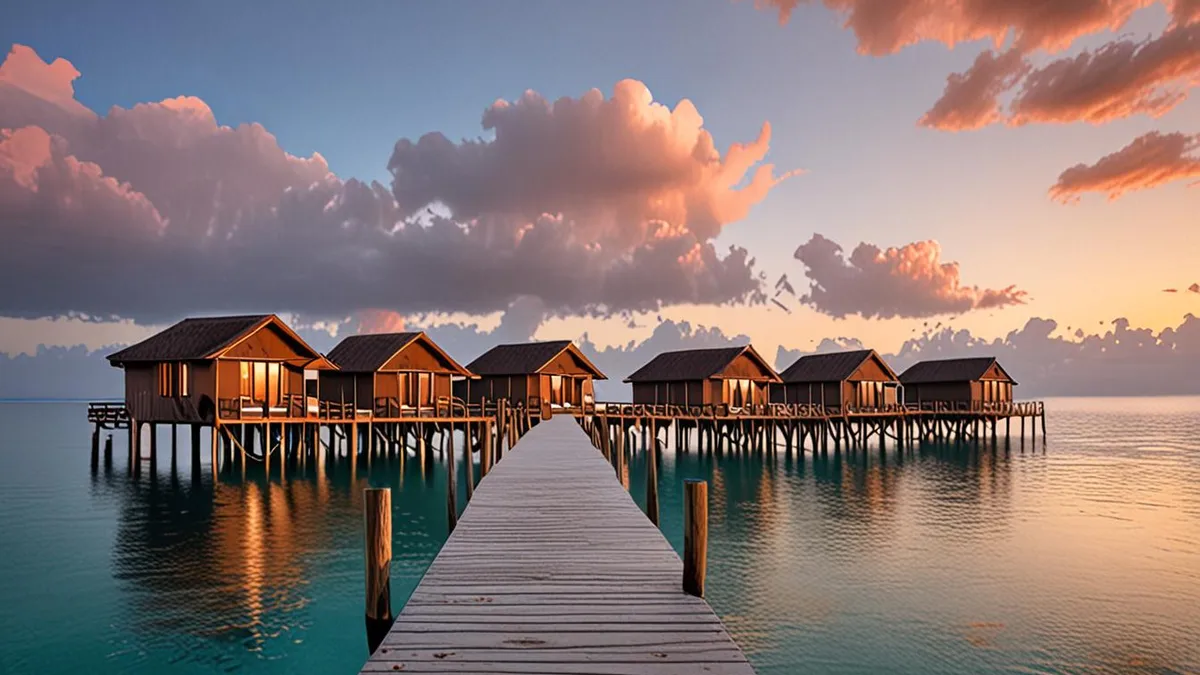
The Maldives has built its reputation on a single, very polished formula: one island, one resort. You fly in, step onto a pontoon, and everything from dining to diving happens within walking distance of your villa. That format works beautifully for travelers who want to switch off completely, and it’s why the Maldives dominates the overwater villa scene — thatched bungalows on stilts with lagoon views, glass floor panels and direct ladder access to the water below. Many resorts also maintain a house reef just off their shore, so you can snorkel among coral and reef fish within minutes of leaving your deck.
Seychelles offers a different kind of luxury. Instead of one flat coral island, you get hillside pool villas tucked into jungle slopes, boutique hotels spread across Mahé and Praslin, and family-run Creole guesthouses where breakfast might include fresh breadfruit and home-made chili paste. Accommodation here tends to come with more space to explore: you can rent a car, drive to a different beach each day, and eat at local takeaways rather than a single resort restaurant.
Which style fits your trip?
Honeymooners and divers often lean toward the Maldives, since the resort format and underwater access are hard to beat. Nature walkers, hikers and self-drive explorers usually prefer Seychelles, where trails, granite peaks and Creole culture sit alongside the beaches. If you can’t decide, some travelers split a longer trip between the two styles — but most are happiest committing to the one that matches how they actually like to spend a day.
Getting There and Moving Between Islands
Both destinations require a transfer after you land, but the logistics differ in ways that shape your whole itinerary. Neither country lets you simply step off the plane and check in at your resort, so understanding how the journey typically unfolds in each will help you plan realistic arrival times and avoid paying for an unplanned hotel night. Here’s how it works.
- Land at the main gateway. In the Maldives, all international arrivals funnel through Malé, the compact capital. In Seychelles, you land on Mahé, the largest island and home to the main airport.
- Arrange your onward transfer in advance. Maldives resorts are reached by seaplane or speedboat, typically 15–60 minutes from Malé, and the resort usually books this for you when you reserve your stay. In Seychelles, you can choose between ferries, short domestic flights and private boat charters depending on which island you’re heading to. The popular Mahé–Praslin crossing takes about 1 hour by ferry, and from there you can continue on to smaller islands such as La Digue.
- Time your arrival around daylight. Maldivian seaplanes only fly during daylight hours, so if your international flight lands late, you’ll usually need an overnight at an airport hotel near Malé before transferring the next morning. Seychelles ferry schedules also wind down by evening, though late arrivals are generally easier to absorb on Mahé itself, where many hotels sit within a short drive of the airport.
- Build in buffer time on departure day. Seaplane transfers are sometimes rescheduled for weather, so avoid booking a tight international connection on your final day. The same caution applies to Seychelles ferries, which can run on adjusted schedules in rough conditions.
The practical takeaway: in the Maldives, your transfer is part of your resort booking and should be confirmed together with your room, since seaplanes and speedboats are priced separately and can add a meaningful amount to your total. In Seychelles, you have more freedom to arrange ferries and short domestic flights yourself, often at lower cost, which makes multi-island trips far simpler to plan independently. Either way, confirm transfer times when you book, not when you land, and recheck the schedule a day or two before you travel in case anything has shifted.
How to Decide: Matching the Destination to Your Trip
If you’re torn between the two, start with what you actually want to do each day — not with the prettiest brochure photo. The Maldives delivers diving, overwater villas and total seclusion, which suits travelers who know their budget window and want to spend it all in one place. Seychelles rewards curiosity: granite peaks to hike, Creole markets to wander, and a choice of villas, guesthouses and resorts that lets you mix splurge nights with affordable ones. Think honestly about how you like to spend an afternoon, because that answer usually settles the debate faster than any comparison chart.
Trip length is often the deciding factor. A shorter, high-intensity romantic getaway points one way; a longer, slower exploration points the other. Transfers matter here too — the more islands on your list, the more time you’ll want in hand.
- Couples with 5–7 nights and a splurge mindset fit the Maldives well — enough time to settle into one resort, dive or snorkel most days, and justify the transfer costs without feeling rushed.
- Travelers with 10+ nights and mixed interests fit Seychelles, where you can split time between Mahé, Praslin and La Digue without ever repeating the same landscape twice.
- Divers and snorkelers on a dedicated underwater trip should weigh the Maldives, where house reefs and dive-focused resorts put marine life at the center of the whole stay.
- Hikers and culture-seekers should weigh Seychelles, since jungle trails, Creole cuisine and local markets simply don’t exist in the same way on a single-resort coral island.
Whichever way you lean, be honest about your travel style before you book anything nonrefundable. If the idea of staying on one island for a week sounds restful, the Maldives will feel like a dream. If it sounds confining, Seychelles will suit you far better — and you’ll still find plenty of quiet, barefoot-luxury corners when you want them.
The Bottom Line on Your Island Resort Stay
So, Seychelles or Maldives? Both promise overwater paradise, but the right pick depends on what you want each day to look like. Seychelles rewards travelers who want variety — granite landscapes, jungle hills, Creole culture and the freedom to mix a few nights in a resort with cheaper self-catering stays. The Maldives rewards travelers who want to commit to one spectacular resort, step off their deck onto a house reef and let the staff handle everything else.
A practical way to decide: write down your non-negotiables before you book. If waking up over the lagoon matters more than exploring on foot, the Maldives will feel worth every dollar. If you’d go stir-crazy on a single island after four days, Seychelles is the safer bet. Also match your dates to each destination’s best weather window — the calm months differ between the two, and arriving in the wrong season can dull even a stunning resort.
Whichever island group you choose, book your transfers and accommodation together so you know the true total before you pay a deposit. Still torn? Tell us your trip length and budget in the comments, or share this article with your travel partner and see which one they argue for.