Choosing where to stay in the Azores is trickier than it looks. There are nine islands, no single main resort hub, and each island offers a noticeably different feel — from São Miguel’s hot springs and crater lakes to Pico’s vineyards and Terceira’s old-town streets. Many travelers book flights first and only then realize the island they picked doesn’t match the holiday they had in mind.
This guide breaks the decision down step by step. We’ll help you match an island to your trip style, compare the best areas on São Miguel, Pico and Faial, and Terceira, and explain when to book for the best rates. We’ll also show you what actually makes a property feel resort-like in the Azores — thermal pools, ocean-view terraces and garden grounds — so you can finish with a base that fits the way you travel.
How to Choose the Right Azores Island for Your Stay
The first decision is which island matches your trip style, because the nine islands are not interchangeable. São Miguel is the convenience pick: it has the largest share of accommodation, the widest choice of restaurants and activities, and easy access to sights like Sete Cidades. Pico and Faial suit travelers who want scenery and quiet — volcano views, lava-stone vineyards and a slower pace. Terceira is the culture choice, anchored by the historic streets of Angra do Heroísmo.
Flight logistics matter more here than on most island holidays. Most international arrivals land at Ponta Delgada on São Miguel, which is why first-time visitors usually base themselves there, at least for part of the trip. If you’re flying in from mainland Europe or North America, check whether your route connects through PDL or requires a stop in Lisbon or Porto.
One island or two?
Decide early whether you want depth on a single island or a two-island trip. Inter-island flights between the main islands typically take 40–90 minutes, so combining São Miguel with Pico or Terceira is realistic, but each transfer costs you half a day door to door. If your stay is under a week, one island usually delivers a better holiday than two rushed ones.
São Miguel: Ponta Delgada, Furnas and the North Coast
São Miguel offers the most variety of any Azores island, and where you stay on it shapes the whole trip. The island hosts the largest share of the archipelago’s accommodation, concentrated around Ponta Delgada and Furnas, and it splits naturally into three base areas: the capital, the thermal town of Furnas, and the quieter north coast. Since Ponta Delgada airport (PDL) is the main international gateway, most arrivals start here, which makes the island an easy first stop even if you plan to island-hop later.
Ponta Delgada works best for travelers who want urban comfort. You’ll have the island’s widest restaurant selection, walkable streets, and straightforward day-trip access to the Sete Cidades crater lakes, which sit roughly an hour’s drive away. Furnas, by contrast, is a thermal-spring town set inside a caldera, with hot pools and botanical gardens on your doorstep — ideal if soaking is the point of the holiday. The north coast around Fenais da Luz and Capelas appeals to travelers who want ocean views and quiet lodges, while staying within reach of the capital by car.
- Ponta Delgada practicality: taxis and tour pickups are easiest here, so it suits travelers who’d rather not drive every day.
- Furnas extras: the town is known for cozido das furnas, a stew slow-cooked underground by volcanic heat — many local restaurants serve it.
- North coast trade-off: you’ll almost certainly need a rental car, as shops and restaurants are spread out along the coastal roads.
Pico and Faial: Volcano Views and Wine Country
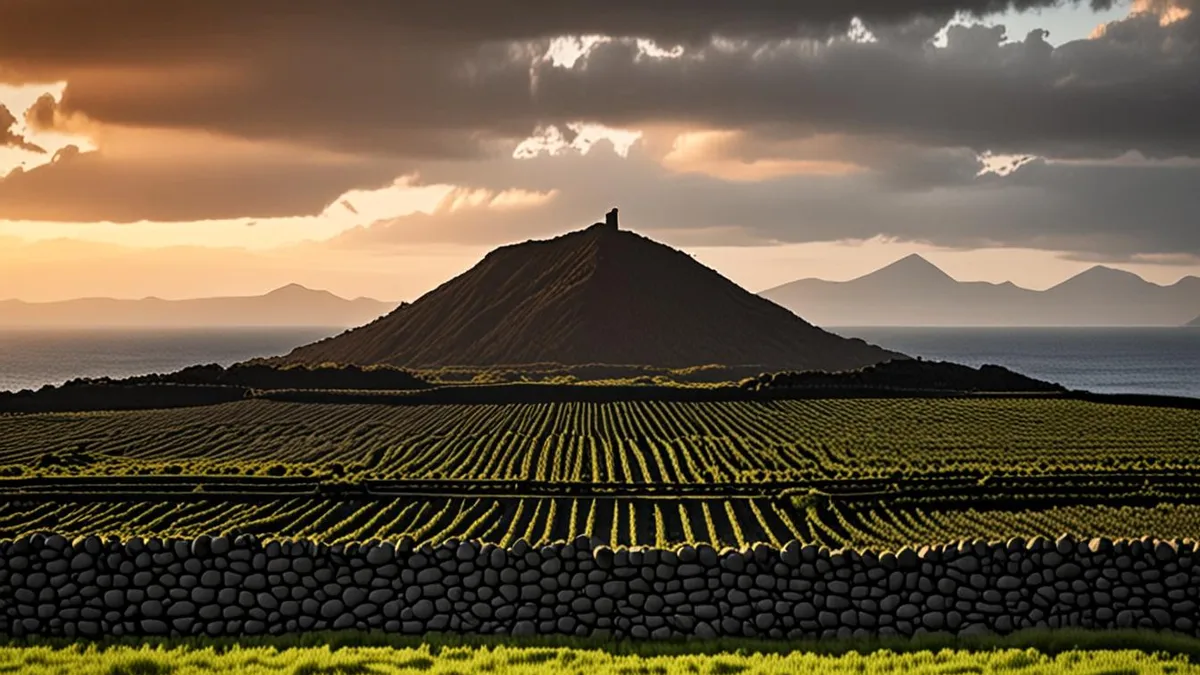
Pico and Faial reward travelers who care more about landscape than convenience. Pico’s vineyard landscape, built from black lava stone walls, is UNESCO-recognized and unlike anything else in the Atlantic. It’s the island for design-led lodges, wine-country drives and serious hiking — the trail up Mount Pico, Portugal’s highest mountain, starts here and typically requires planning and a guide registration in advance.
Pico for scenery and hiking
Accommodation on Pico is small in scale — converted stone houses, wine estates and boutique lodges — so room stock is limited. If you want to climb the mountain or tour the vineyards, base yourself on the island rather than day-tripping from elsewhere, since the climb involves an overnight or very early start for most hikers.
Faial for sailors and whale watchers
Faial’s Horta area is the social heart of Atlantic sailing, with a famous marina lined with visiting yachts. It’s a handy base for whale watching departures — the season runs roughly April to October, peaking in spring — and for day trips around the island’s coastline and caldera. Cafés and bars along the marina give Horta a livelier evening scene than you’ll find elsewhere on either island.
The two islands pair naturally: a short ferry crossing links them in season, so many travelers split a week between a Pico lodge and a Horta guesthouse. Book 3–5 months ahead for summer stays, as small-island room stock fills early.
Terceira and the Central Islands: Culture and Coastal Calm
Angra do Heroísmo is the reason many travelers fall for Terceira. The town’s old center is UNESCO-listed, and its grid of striped facades, cobbled squares and fortress walls is compact enough to explore on foot from most guesthouses. If you want a slower, cultural stay rather than a pool-and-spa holiday, basing yourself here gives you cafés, restaurants and evening atmosphere within a short walk.
Staying on Terceira’s south coast
Outside Angra, Terceira’s south coast has a quieter side. Small guesthouses and a handful of resort-style properties sit near natural swimming coves and lava pools, where you can swim in calm water without crowds. These spots suit travelers who want ocean views and a rental-car routine: drive to a cove in the morning, explore the island’s interior in the afternoon.
The central island group as a whole works especially well as a second stop. If you have already done São Miguel, hopping to Terceira (or pairing it with Pico and Faial) gives you a different rhythm: fewer large hotels, more family-run places, and towns that feel lived-in year-round. The hops between these islands are short enough that a two-island trip is realistic even on a week-long visit, so you can wake up on one island and be hiking or whale watching on another the same day.
Practical tip: Terceira has its own airport with connections to Ponta Delgada, so you can fly in and out without backtracking. Check flight schedules when you book, as frequencies vary by season.
When to Book: Seasons and Rates in the Azores
Timing shapes both the weather you get and the price you pay in the Azores. The islands sit in the mid-Atlantic, so conditions can shift quickly, but some windows are clearly better than others for a resort-style holiday. If green coastlines and changeable skies appeal to you, you may also like similar Atlantic destinations such as Ireland’s weather-rich coast and green escapes. Here’s how to plan your trip in sensible steps.
- Pick your window first. May to September offers the most reliable weather, with July and August the warmest and busiest. If you want pool time, boat trips and long hiking days, aim for this stretch and accept that peak-month prices reflect the demand. Trails are generally in their best condition, and the longer daylight hours make it easier to fit several activities into a single day without rushing.
- Reserve early for peak season. Summer stays, especially on smaller islands like Pico and Faial, sell out well in advance because room stock is limited and the best properties fill quickly. Locking in your choice before the rush also gives you a better pick of rooms with the views and pools you actually want, rather than settling for whatever remains.
- Consider the shoulder months for value. April–May and October often bring rates 20–30% below peak, and both sit inside the whale watching season, which runs roughly April to October and peaks in spring. You trade some warmth for quieter roads, easier restaurant bookings and softer light for photography.
- Match the month to your activities. If whale watching is the priority, lean toward spring; if swimming and terrace evenings matter more, the July–August window justifies its premium. Hybrid travelers can aim for late May or early October to catch a bit of both.
Whatever you choose, check current rates and availability directly with properties, since pricing in the Azores can move noticeably between seasons and even between weeks. Flexibility of a few days on either side of your dates can make a real difference to what you pay.
How to Spot the Best Resort-Style Options
Resort-style stays in the Azores look different from mainland beach resorts. The islands’ character comes from volcanic landscapes, thermal water and the ocean, so the best properties lean into those features rather than building around a standard pool deck. Many of the most memorable places to stay are small lodges or converted farmhouses rather than large hotel complexes, and that shapes what you should expect — fewer on-site restaurants, more personal service and a stronger sense of place. Knowing what to look for helps you filter quickly.
- Thermal pools or access to them. On São Miguel, especially around Furnas, some properties have their own hot pools or arrange entry to nearby thermal springs — a genuine signature experience, not a spa gimmick. Ask whether pool access is included in your rate or charged separately, and whether the water is natural thermal or heated.
- Ocean-view terraces and garden grounds. Wide Atlantic views and mature gardens are common in the better lodges and small resorts; ask for photos of the actual view from your room category, not just the property’s shared spaces. Rooms on upper floors or at the end of a wing often get the best angles.
- Breakfast and airport transfer inclusions. Mid-range resort and boutique stays typically run €120–€220 per night in high season, but what’s bundled varies a lot. Verify whether breakfast and transfers from the airport are included before comparing headline rates — a cheaper nightly price can end up costing more once meals and a taxi are added.
- Car hire partnerships. Most islands require a rental car to see properly, and some properties partner with local rental firms for easier pickup or better rates — worth checking before you book separately. On smaller islands, on-site parking is another detail worth confirming.
Once you’ve filtered by these features, read recent guest reviews for practical details like road access, noise and how helpful the staff are with arranging boat trips and hikes. Weather in the Azores can change quickly, so a property with good indoor common areas and covered terraces makes gray days far more pleasant. Those specifics tell you more than star ratings ever will.
Wrapping Up Your Azores Base
With nine islands and no single resort hub, picking a base comes down to matching the island to your trip style. São Miguel is the natural choice for first visits, with the largest share of accommodation around Ponta Delgada and Furnas. Pico and Faial pair beautifully for volcano views and wine country, while Terceira suits travelers after culture and a slower pace.
Timing matters as much as location. May to September is the prime window for weather, with July and August the busiest, while shoulder months like April–May and October often cut rates by 20–30%. Book 3–5 months out, especially for smaller islands, and match the property’s pools, views and transfers to how you actually travel. If this helped you narrow things down, leave a comment or share the article with a fellow traveler.