You know your dates and your budget, but the moment you open a booking site, everything starts to blur. A “lodge” here, a “resort” there — the photos all show pools, decks and pretty views, and nothing tells you which stay type actually matches the trip you have in mind. That confusion is exactly what this lodge vs resort guide is here to fix.
We start with the core difference between the two, then look at setting and atmosphere, what dining and activities are actually included in the rate, and what you really pay per night once the extras are counted. From there, we cover booking lead times and how long to stay, which stay type suits which travelers, and a short bottom line to make the final call easy. By the end, you should know within a minute of looking at a listing whether it fits your trip — or whether you should keep scrolling.
Lodge vs Resort: The Core Difference in One Minute
The fastest way to tell them apart: a lodge is defined by its setting, a resort by its facilities. A lodge exists because of where it is — a forest, a lakeshore, a mountain valley, a savanna plain. The building is usually designed to blend into that landscape, with timber, stone and low profiles that keep the focus on the view rather than the architecture. A resort, on the other hand, is built around what it offers: pools, spas, several restaurants, entertainment and activities, often arranged as a self-contained complex where you could spend a week without leaving.
Size changes everything
Lodges stay small, typically ranging from 15 to 60 rooms, which keeps guest numbers low and the atmosphere quiet. Large resorts often exceed 200 rooms across multiple buildings or blocks, and that scale changes the experience in ways the photos never show: more noise around the pool, longer waits at breakfast, and a service style that runs on volume and routines rather than personal attention.
So the practical question is not which one is better. It is whether your trip centers on the destination — the wildlife, the landscape, the sense of place — or on the property itself, with comfort and convenience as the main event. Answer that first, and the right stay type usually picks itself.
Setting and Atmosphere: Where You Wake Up Matters
Lodges trade convenience for immersion. Expect wildlife at the window, trails starting at the door, and a transfer from the nearest airport that can take anywhere from 30 to 90 minutes. That distance is the price of the setting, and for most lodge guests it is a price worth paying — the journey in is part of the experience, not a delay to it.
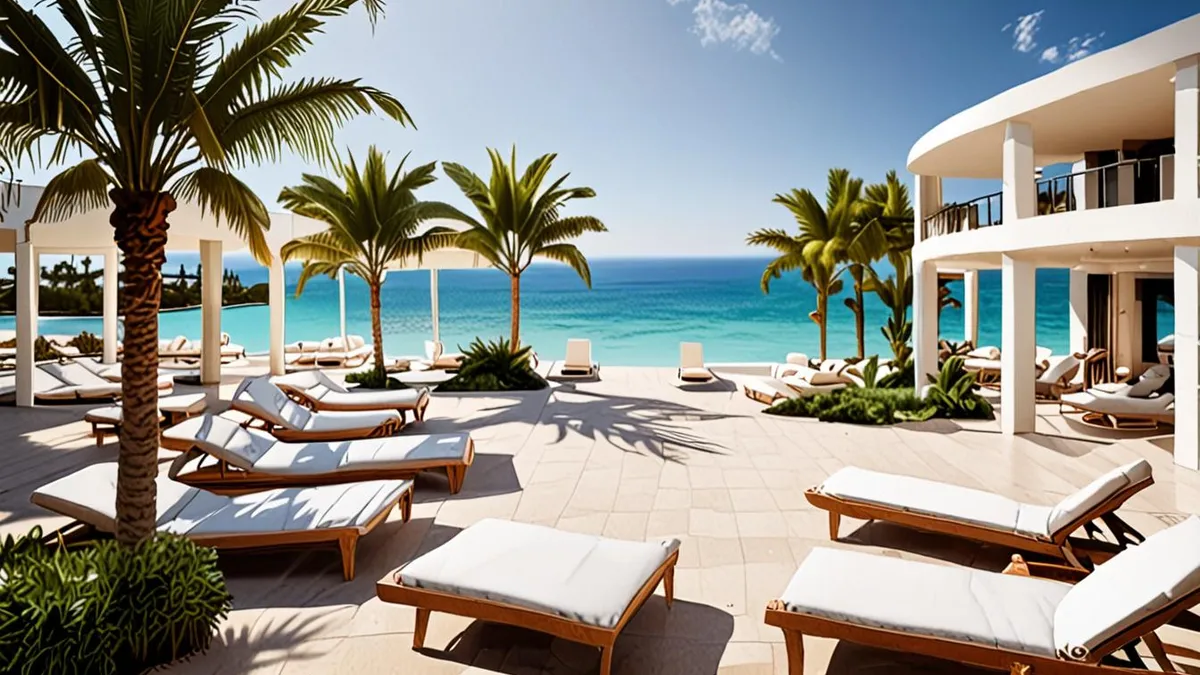
Resorts concentrate comfort in one place. Whether the property sits on a beachfront, a marina or the edge of a city, everything inside it is reachable on foot: the pool, the restaurants, the kids’ area, the spa. You park once and stay parked.
Match the location to your itinerary
If your days are filled with day trips and sightseeing, a resort’s location usually saves you time — you are close to roads, towns and transport. If the landscape itself is the attraction, a lodge wins, because you wake up inside it rather than visiting it. If you are weighing specific settings, it helps to compare them directly, as in this look at lakeside versus forest lodges in Finland.
Season matters too. A lakeside lodge in shoulder season feels serene, with misty mornings and empty trails. The same property in peak summer can feel busy, with fuller decks and busier water. Check how the property changes with the season before you book, not after.
Dining, Activities and What Is Actually Included
Lodges often bundle meals and guided activities — game drives, boat trips, hikes — into one rate. That bundling can add 20 to 40 percent to the price compared with a room-only rate, but it also removes daily decisions: no choosing restaurants, no signing bills, no debating which excursion to book. If you want a full breakdown of how these packages work, see this guide to what an all-inclusive lodge actually includes and what it costs.
Resorts usually price rooms separately, then charge for restaurants, spa treatments and excursions on top. Those extras commonly add 15 to 30 percent to the nightly rate by the time you check out, so a seemingly affordable room can grow quickly once the week is tallied.
Questions to ask before booking
- How many restaurants are open in low season, when some outlets may close?
- Are activities guided by in-house staff or outsourced to outside operators?
- What exactly does the meal plan cover — all meals, or only breakfast and dinner?
One more thing to keep in mind: remote lodges may have no outside dining options at all. There is no town down the road to fall back on, so the included meal plan is not optional — it is the food supply. Treat it as part of the room, not as an add-on you can skip.
Cost Comparison: What You Really Pay Per Night
The nightly rate on a booking site tells you surprisingly little about what a stay will actually cost. A lodge quoting a higher rate may include all meals, guided activities and airport transfers, while a cheaper resort rate can grow quickly once dinner, drinks and excursions are added. Always compare the total trip cost, not the headline price.
Trip length also changes the math. A longer resort holiday spreads fixed costs like airport transfers over many nights, so each night carries a smaller share. A shorter lodge stay concentrates those same costs into fewer nights, which makes the per-night figure look steeper even when the overall trip is reasonable.
Resorts deserve a specific budget buffer, because the extras are where the bill inflates. Fees, drinks and paid activities are the line items that quietly push a resort stay well above the nightly rate you booked. Ask for a full breakdown before committing.
- Resort fees: some properties charge a mandatory daily facility fee on top of the room rate and local taxes, so confirm whether it is included in the quoted price.
- Kids’ clubs: many resorts offer supervised children’s programs, but access is often a paid daily or weekly add-on rather than part of the room rate.
- Drinks and minibars: bottled water, soft drinks and bar tabs at resort prices can rival the cost of a meal, especially in hot climates.
- Transfers: remote lodges may include airport pickups in their rate, while resorts often charge separately — check which applies before you book.
- Gratuities: safari and wilderness lodges typically have suggested tipping guidelines for guides and staff that should be planned into your budget.
Shoulder season is where lodge pricing gets interesting. Lodge rates can drop sharply once high season ends, since their business depends on travelers arriving during the best wildlife or weather window. Beach resorts tend to hold their prices firmer because demand is steadier year-round. If your dates are flexible, the gap between the two stay types can narrow enough to change your decision entirely.
Booking Lead Times and Trip Length by Stay Type
Booking windows differ sharply between lodges and resorts, and getting this wrong is one of the most common planning mistakes. The rule of thumb is simple: the smaller and more remote the property, the earlier you need to commit. Remote lodges frequently sit 30 to 90 minutes from the nearest airport or town, so a missed booking does not just cost you a room — it can force you to rebuild an entire itinerary around a different region. Here is how to sequence your booking.
- Lock in safari and wilderness lodges first. With only 15 to 60 rooms, small lodges sell out their best units long before large properties do. For high season travel, plan on booking 6 to 12 months ahead — this is especially true for popular safari regions.
- Match your dates to lodge availability. Once the lodge confirms, build the rest of your itinerary around those dates rather than the other way around.
- Book the resort segment second. Beach and city resorts have far more inventory, so 3 to 6 months of lead time is usually enough for peak season — but book earlier if you need family rooms or connecting rooms, which are the first room types to disappear.
- Align trip length with each segment. Plan 3 to 5 nights for the lodge portion, where the intensity of guided activities and early starts works best, and 7 to 10 nights for the resort portion, where a slower rhythm justifies the longer stay.
Combining both stay types in one trip works well precisely because they complement each other: a lodge segment delivers the landscape and guided adventure, then a resort segment lets everyone unwind. If you are planning your first safari and want help evaluating properties before committing, the guide on how to choose a safari lodge in South Africa walks through the key questions to ask. The practical takeaway is to let the lodge drive your dates — everything else has the flexibility to follow.
Which Stay Type Fits Your Travelers
The right stay type depends less on the destination and more on who is traveling with you. A property that delights a couple on an anniversary trip can frustrate a family of five, and the reverse is just as true. Match the stay to your group before you fall in love with the photos.
Couples seeking quiet and scenery usually lean toward lodges, where small room counts and natural settings keep things calm. Families who need pools, kids’ clubs and several dining options are usually happier at resorts, where large properties often exceed 200 rooms and cater specifically to children. Neither is wrong — they simply solve different problems.
Mobility matters more than most travelers expect. Resorts generally offer lifts, ramps and flat, predictable layouts, while lodges may involve steps, raised decks, gravel paths and uneven terrain between rooms and common areas. If anyone in your group has limited mobility, ask the property direct questions about access before booking rather than assuming.
- Room configuration: lodge layouts vary widely — some offer spacious family suites, others only twin or double units — so confirm bed setups and sleeping capacity for children directly with the property.
- Guide and gear access: activity-driven trips like safari, hiking or fishing suit lodges because guides, boats and equipment are typically on site and included in the rate.
- Downtime priorities: relaxation-first trips suit resorts, where the pool, spa and shaded loungers are steps from your room all day.
- Noise tolerance: couples sensitive to noise should check whether a lodge hosts families or groups, since even small properties can feel lively in high season.
- Medical proximity: travelers with health considerations may prefer resorts near towns, since remote lodges can sit far from the nearest airport or medical facility — check the transfer details before committing.
One final check: if you are traveling with children and drawn to a lodge, research its family options separately. Some lodges welcome children of all ages with dedicated programs, while others set minimum ages or accept kids only on private bookings. A quick email before booking saves an awkward arrival.
The Bottom Line: Choosing Between Lodge and Resort
Booking sites blur the two together, but the difference comes down to one question: is the landscape the point of your trip, or the property? If wildlife, scenery and guided activities are what you are paying for, a lodge fits — typically 3 to 5 nights, booked 6 to 12 months ahead for high season. If you want pools, dining variety and on-site convenience over a longer holiday, a resort over 7 to 10 nights usually works better.
Whichever way you lean, compare the total cost — meals, resort fees and transfers — rather than the headline nightly rate, and let the needs of your travel companions make the final call, not the photos. If this helped you decide, leave a comment or share the article with someone planning their next trip.