Choosing between lakeside vs forest lodges in Finland is the first real decision of any trip there, and it shapes almost everything that follows. Do you wake to open water and a private jetty steps from your door, or to total silence under tall pines with no neighbor in sight? Both are classic Finnish stays, and both deliver something the other cannot quite match.
This guide breaks the choice down for you. We look at what each setting actually offers as standard, compare the two season by season, and run through costs and booking lead times. You will also find advice matched to your travel style — whether you are a couple, a family, or traveling solo — plus the practical logistics of the Saimaa lake district versus Lapland’s forests. By the end, the right answer for your trip should be obvious.
What a Finnish Lakeside Lodge Actually Offers
The first thing to understand about Finnish lakeside lodges is that the features you might expect to pay extra for come as standard. A lakefront sauna, a private jetty, and swim steps leading straight into the water are normal parts of the setup, not premium upgrades. Many cabins also include a rowing boat or a small grill hut by the shore, so your evenings tend to happen outdoors without much planning.
Light, water and slow mornings
What really sets lakeside stays apart is the light. In summer, long hours of daylight reflect off open water, which suits slow mornings with coffee on the terrace, an afternoon of rowing, and unhurried sunset watching that can stretch late into the evening. Finland has roughly 188,000 lakes, so lakefront stays are widely available across the country, from small family cabins to larger lodge rooms.
Location matters too. Stays around the Saimaa lake district put you within reach of seal-spotting boat trips, where you can look for the rare Saimaa ringed seal from the water, as well as regular lake cruises on larger vessels. If wildlife or a day on the water appeals, this region is the natural base. Check current trip schedules and availability locally, as they vary by season and operator.
What a Finnish Forest Lodge Actually Offers
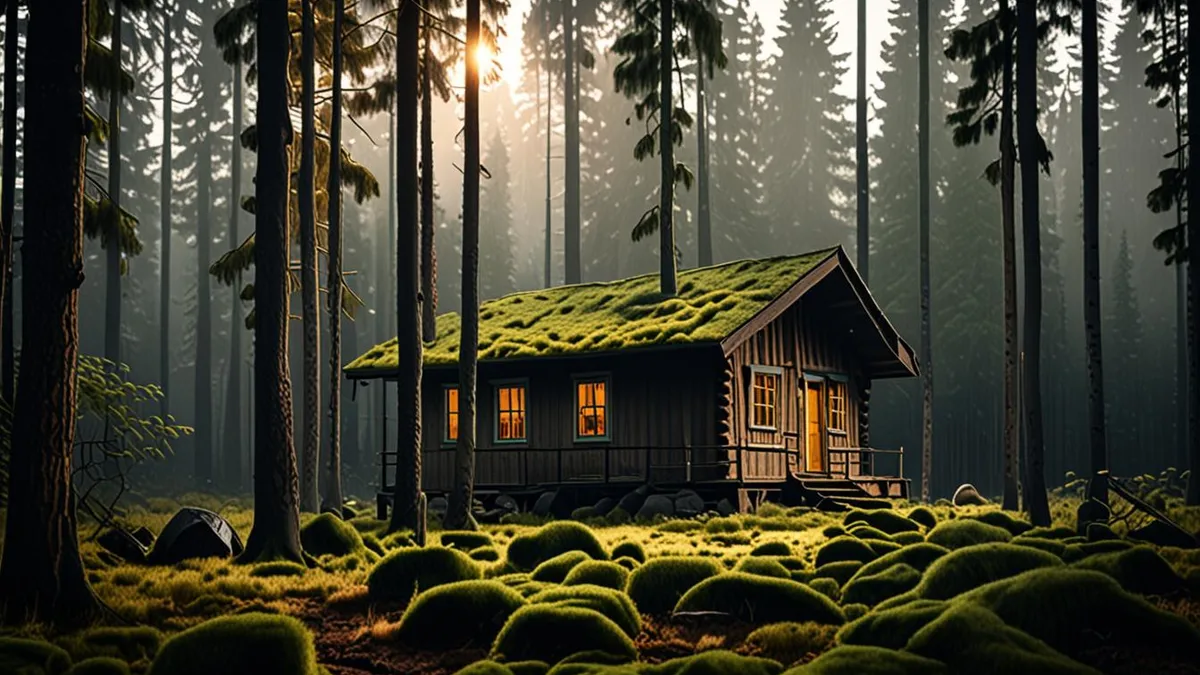
Forest lodges offer something lakeside stays rarely can: genuine privacy. Dense pine and spruce surround these cabins on all sides, so you rarely see a neighbor, and the trees act as a natural windbreak. On exposed lakeshores a breezy day can keep you indoors; in the forest the air stays calm, which makes outdoor evenings and campfire cooking far more comfortable.
Foraging and winter quiet
The forest setting also gives you activities the lakeshore cannot. In August and September, Finland’s everyman’s rights allow you to pick wild mushrooms and berries — blueberries, lingonberries and chanterelles are common finds — and a cabin surrounded by woodland puts the best picking right outside your door. In winter, the same trails become routes for quiet snowshoeing, with snow muffling sound and the trees catching the light in a way open water never does.
One practical point: cabins deeper in woodland often sit near national park trailheads rather than villages. That means superb walking access from the doorstep, but fewer shops and restaurants nearby. Plan to self-cater and bring supplies with you, since a drive for groceries is usually part of the deal.
Season by Season: When Each Setting Wins
The honest answer to which setting wins depends heavily on when you travel. Finland’s two lodge experiences peak at opposite ends of the year, so your dates often make the decision for you before price or preference even enter the picture.
From June to August, lakeside lodges are at their best. In the south, the water is warm enough for proper swimming, and the long northern light keeps the terrace usable late into the evening. In Lapland, the midnight sun season runs roughly late May to mid-July, so lakeside nights there barely darken at all.
From late August to April, the advantage shifts to Lapland’s forest lodges for northern lights. You might assume open lakeshores offer better aurora views, but trees block less sky than you would expect — the real difference is that darkness is deeper inland, away from the light-reflecting haze over water.
Winter deserves its own consideration:
- Snow activities near Rovaniemi: Forest cabins in this area put you close to husky sledding, snowmobile routes and Santa-themed attractions, with trail access often starting near the door.
- Frozen lakes as platforms: Once lakes freeze solid, they turn into natural ice-skating rinks and ice-fishing spots — so even a lakeside winter stay has its own draw, provided ice conditions are safe and locally confirmed.
- Aurora logistics: Forest lodges let you step outside into deep darkness within seconds, which matters on cold nights when the lights appear briefly and you want to react fast.
Costs and Booking Lead Times Compared
Price is where the two settings come closest, but the details still matter. In summer, lakeside lodge rooms typically run €120–€250 per night, while forest cabins typically cost €100–€220. That puts forest stays roughly €20–€30 cheaper on average, enough to notice over a week but rarely enough to decide the trip on its own.
Lead times matter more than the nightly rate. Lakefront summer stays are the most contested inventory in the country, so booking 3–6 months ahead is the safe window. Lapland winter cabins need even more forward planning: aim for 4–6 months, especially if you want dates in the heart of the aurora season.
One wrinkle: forest cabins around Rovaniemi carry a winter premium, so the usual price gap narrows in December. A woodland cabin there can cost as much as or more than a southern lakeside room in summer, because demand from snow activities and Santa-season travelers pushes rates up.
- Midweek nights in both settings are usually cheaper than Fridays and Saturdays, and cabin owners often discount longer stays, so a five-night booking can beat two separate weekends on price.
- Lakeside properties with their own jetty and sauna command the top of the €120–€250 range in July, while shoulder-season lake stays in May or September often drop toward the lower end.
- Forest cabins at the budget end of the €100–€220 range are frequently simpler builds without en-suite bathrooms, so check what’s included before comparing rates.
- If you book late, look at southern forest stays near Nuuksio or less famous lakes outside the Saimaa region, where last-minute availability is typically better than at headline destinations.
Choosing by Travel Style: Couples, Families and Solo Slow Travelers
Couples tend to fall into two camps, and both settings serve one of them well. If romance means sauna steam, a swim off your own jetty and long midnight-sun evenings over open water, a lakeside lodge is hard to beat. If romance means total seclusion, no neighbors in sight and a wood-fired sauna surrounded by pines, a forest cabin delivers that feeling more reliably.
Families usually get more from a lakeshore. Swimming is visible and easy to supervise from the terrace, rowing boats and life jackets are standard kit, and children can spend hours at the water’s edge. Forest lodges answer with space to roam, berry trails and the kind of unstructured outdoor play that kids rarely get at home, though parents need to stay closer in denser woodland.
Solo slow travelers lean forest. Deep quiet, shaded walking paths and soft filtered light reward reading, photography and unhurried days in a way that bright, open lakeshores do not. If that appeals, it is worth comparing notes with similar lodge stays elsewhere, such as the lodges near Killarney’s nature and trails, which attract the same kind of traveler.
- Couples booking a lakeside lodge should check whether the sauna is private to the cabin or shared with other guests, as this changes the evening dynamic considerably.
- Families with young children should look for lakeside cabins with a shallow, sandy entry point rather than a swim step, which suits confident swimmers better.
- Forest cabins aimed at families often include a fire pit, firewood and basic forest gear, so check the equipment list before packing your own.
- Solo travelers in forest settings should confirm road access in winter, since some deep-woodland cabins sit at the end of tracks that are not plowed daily.
- Picking season in August–September turns forest lodges into a food experience, and many hosts will point you to the best berry patches on their land.
Location and Logistics: Saimaa Lakes versus Lapland Forests
Getting there shapes the trip as much as the lodge itself. The Saimaa lake district sits roughly 3–4 hours from Helsinki by train or car, which makes a lakeside stay realistic even for a long weekend. You can arrive Friday evening, spend Saturday on the water and be back in the city by Sunday night without feeling rushed.
Reaching Lapland’s forest lodges
Lapland forest lodges usually require a flight to Rovaniemi or Kittilä, adding both cost and roughly half a day of travel each way. Domestic flights from Helsinki are frequent, but fares rise sharply in peak winter weeks, and some remote cabins still need a transfer or a rental car from the airport. Build that half day into your plans rather than treating it as an afterthought, especially on short trips.
The southern middle option
Southern forest stays near Nuuksio offer a genuine middle path, sitting under an hour from Helsinki. You get proper pine and spruce woodland, national park trails at the doorstep and a real sense of quiet, all without flights or long transfers. It will not deliver Lapland’s darkness for northern lights, but for a first taste of forest cabin life, or for a quick winter escape, it is the easiest option to organize. If you want both lake and forest without compromise, a split stay is also practical in the south, since Saimaa and Nuuksio are close enough to combine on a single driving route.
Lakeside or Forest: Making the Final Call
If you’re torn between the two, start with the season and your travel style, not your budget. Price gaps between lakeside and forest stays are modest, so they rarely make the decision for you. Summer swimmers, rowers and sunset watchers will be happiest on open water, while aurora hunters, snowshoers and anyone craving deep quiet will find the forest a better match.
Can’t choose? A split stay is a realistic option: a few nights by the lake followed by a few nights among the pines gives you both experiences in one trip, and many travelers find it’s the best of Finland in a single visit. Whichever setting you pick, you’re choosing between two genuinely different moods rather than a better and worse option. If this helped you decide, leave a comment or share the article with a fellow traveler.