Planning to visit Lapland lodges sounds simple until you actually start comparing dates. Do you go for the deep-snow winter with huskies and Christmas lights, save money in the quieter shoulder months, or chase the midnight sun in summer? Each option delivers a completely different trip, and the price gap between them is significant.
This guide breaks the decision down season by season. We look at why timing matters so much here, what winter really feels like during polar night, when your Northern Lights odds are statistically best, and why summer is the sleeper pick for value. We also map out which activities are realistically available in each month, how far ahead you should book, and how to choose the right window for your budget and wish list. By the end, you should know exactly which weeks suit you and when to lock in that cabin or glass igloo.
Why Timing Matters When You Visit Lapland Lodges
Lapland is not a single-season destination, and that surprises a lot of first-time visitors. The exact same lodge can offer aurora viewing from its terrace in October, husky safaris through deep snow in February, and midnight-sun hiking in June. If you book blind, you might arrive in a month that cannot deliver the experience you pictured.
The date you choose also shapes your budget in a big way. Prices typically swing by 30-50% between peak winter and the shoulder months, so the same glass igloo that costs a premium in February can be far more affordable in September or April. For many travelers, simply shifting a trip by a few weeks frees up enough budget to upgrade the room or add an extra night.
Daylight changes everything
The third factor is daylight, and in Lapland it varies more than almost anywhere else in Europe. During polar night, the sun barely rises at all, giving you near-constant twilight. In midsummer, you get nearly 24 hours of light. That difference determines what activities are realistic: snowmobiling by headlamp in December, or canoeing at midnight in July. Think about which version of Lapland you actually want before you book.
Winter: Snow, Polar Night and Peak Prices
Winter is the Lapland most people carry around in their heads: thick snow on the pines, smoke curling from cabin chimneys, reindeer on the roads. The deep snow season runs roughly from late November to early April, with December through February as the classic postcard window. If your mental image of Lapland involves skiing, sledding and snow-covered forests, this is the period that delivers it.
Polar night and the festive peak
From mid-December to early January comes polar night, when the sun barely rises. Instead of daylight you get hours of blue twilight, which many visitors find magical rather than gloomy, especially combined with Christmas markets, lights and festive atmosphere. The trade-off is straightforward: this stretch carries the highest rates of the entire year, and it sells out first.
Expect serious cold, with temperatures commonly ranging from -5°C to -25°C. This is where lodge quality really matters. A sauna to thaw out in, a crackling fireplace, or a heated glass igloo where you can watch the sky from bed all justify paying a premium. Check what is included before comparing prices, because a cheap cabin without a sauna is a different trip in January.
Winter is best for first-timers who want the full snowy Lapland image and are comfortable paying peak prices. If that is you, book early and pack proper layers.
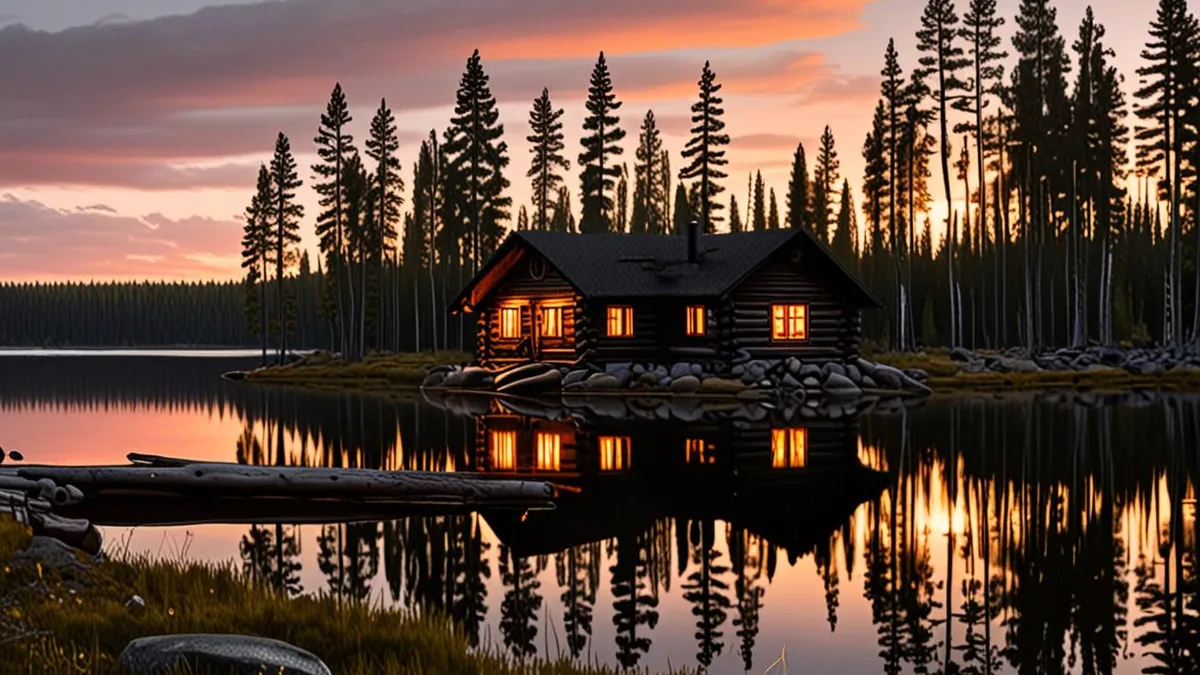
Northern Lights Season: When the Odds Are Best
The Northern Lights season spans late August to early April, which is far longer than most people assume. Statistically, the strongest odds cluster around the equinox months of September-October and February-March, so those periods are where serious aurora hunters aim. That said, the lights are never guaranteed in any month, so build flexibility into your plans rather than betting the whole trip on one night.
Each equinox window has its own character. September and early October combine solid aurora chances with lakeside autumn colors and shoulder-season prices, making them a favorite for photographers. February and March pair strong aurora odds with deep snow, so you get the lights and the full winter activity menu in a single trip.
Choosing the right lodge for aurora viewing
Where you stay matters as much as when. Light pollution and sightlines can make or break a night, so look for these features when comparing lodges:
- Distance from town glow: lodges set outside village centers avoid the light dome that washes out faint displays on the horizon.
- North-facing terraces: aurora activity concentrates toward the northern sky, so a terrace or lakeside deck pointing that way lets you watch without leaving the property.
- Glass-roofed rooms or igloos: these let you monitor the sky from a warm bed, which makes a real difference on nights that hover around -15°C or colder.
- Aurora wake-up calls: some lodges offer staff alerts when activity starts, so you can sleep instead of staring at the ceiling all night.
If aurora viewing is your main goal, prioritize these features over extras like proximity to town, and confirm the lodge’s viewing setup before booking.
Summer and the Midnight Sun
From late May to mid-July, northern Lapland enters a strange and wonderful stretch: the sun barely sets at all. Near-24-hour daylight means you can start a hike at 10 p.m. and still finish in golden light, paddle a kayak across a glassy lake at midnight, or fish until your arms give out. Many lodges simply offer blackout curtains and let you arrange your own schedule, which is a refreshing change from the rigid timetables of winter activity weeks.
Why summer is the year’s best value
Rates during the midnight sun period are typically the lowest of the year, a sharp contrast to the premium lodges charge in deep winter. You get the same lake views, saunas and comfortable cabins as winter guests, but for a fraction of the price. If your priority is quiet, scenery and time outdoors rather than snowy icons, this is the smartest window to book.
Temperatures of 10°C to 20°C suit lodge-based hiking, trail running and even lake swimming, which locals treat as a badge of honor. Snow activities are off the table, of course, so pack for mud, mosquitoes and long walks instead of thermal layers. If lodge life with trail access appeals to you, the same logic applies elsewhere; our guide to Killarney lodges near nature and trails shows how rewarding a lodge set right at the trailhead can be.
One honest caveat: services are thinner than in winter. Some lodges run reduced kitchens or limited staff, and guided excursions are fewer, so confirm meals, activity rentals and any day trips before you commit to a remote lakeside stay. A quick email to the lodge a few weeks ahead usually sorts everything out.
Activities by Season: What You Can Actually Do
Lapland’s activity calendar is ruthless about seasons. Snowmobiles and husky sleds disappear the moment the snow softens, and midnight-sun hikes make no sense in February. Before booking, build your trip around what is actually running in your chosen month, not what the lodge’s glossy brochure features year-round. Ask the lodge directly for a list of activities available during your exact dates, as many operators run limited schedules at the edges of the season.
The good news is that Lapland rarely feels empty. Even transition months offer something: migration-season birdlife, mushroom and berry picking, or simply a sauna and a cold lake. But if you have one must-do activity, match it to its month and book it before you travel, since the most popular departures fill up fast.
- Husky sledding (December-March): rides range from a short 1-2 km taster loop to full-day safaris where you drive your own team; operators near Rovaniemi book out furthest around the holidays.
- Reindeer farm visits (December-March): typically include a short sleigh ride and a talk by a Sámi or local herder about reindeer husbandry, making it the most cultural of the winter activities.
- Snowmobiling (December-March): evening trips are often paired with a campfire stop and, on clear nights, an aurora watch from a frozen lake.
- Santa-themed trips (December-March): Rovaniemi sits right on the Arctic Circle, about 660 km north of Helsinki, and is the base for Santa village visits that families often combine with a lodge stay.
- Aurora hunting (September-October and February-March): guided tours use weather forecasts and drive away from cloud cover, which matters more than the app on your phone.
- Midnight-sun hiking, canoeing and fishing (June-July): the endless daylight lets guides schedule departures late in the evening, when lakes are calmest and light is warmest.
April and late August are the wildcard months. Many guided activities pause, but prices drop, and aurora odds remain decent in late August. If you value quiet trails and a deal over a packed itinerary, these shoulder windows reward flexible travelers. Pack layers either way, since conditions can shift quickly between seasons.
Prices and How Far Ahead to Book
Lapland lodge pricing is dramatic, and the gap between peak and shoulder months is widest exactly when you least expect it: a heated glass igloo on New Year’s Eve can cost several times its September equivalent. The same cabin, the same view, a completely different bill depending on the month you choose. Before you fall in love with a specific lodge, check what your dates actually cost, because the difference can decide whether the trip fits your budget at all.
Timing your booking matters as much as timing your trip. Winter demand from families and holiday travelers is predictable and intense, so popular lodges sell out early, and the most desirable room types disappear first. A little planning goes a long way here.
- Glass igloos and family cabins: book 6-9 months ahead for December and February dates, since these units have the fewest rooms and the longest waiting lists; some lodges release them a full year out.
- Shoulder months (September, April-May): these offer the best price-to-experience ratio, and 2-3 months of lead time is often enough; you can sometimes even book last-minute and still find availability.
- Christmas and New Year: treat these as a separate category entirely; expect package-style pricing and strict minimum-stay requirements at many lodges.
- Meal plans and transfers: in remote areas, airport transfers and half-board add real money to the bill; compare these extras when judging whether a “cheap” lodge is actually cheaper.
One final trick that works in every season: go midweek. Midweek stays typically undercut weekend rates by a noticeable margin, and you also get quieter trails, emptier saunas and better attention from staff. If your dates are flexible, booking a Sunday-to-Thursday stay instead of a weekend can shave real money off even peak-season bookings. Ask the lodge directly about midweek discounts too, as smaller family-run places often have flexibility they don’t advertise on booking sites.
Choosing Your Lapland Lodge Window
So which window should you pick? If snow, festive atmosphere and polar night are what you dream of, aim for December-February and accept the highest prices of the year. If seeing the aurora is your main goal, plan your trip around the equinox periods in autumn and late winter, when solar activity tends to peak and rates stay noticeably lower than at Christmas.
For travelers who care more about nature than winter icons, the midnight sun from late May to mid-July brings near-24-hour daylight and the year’s lowest prices. In short: match your season, budget and activity list before booking, and reserve early for peak dates. Which window would you choose? Tell us in the comments or share this article with a fellow traveler.