Scroll through any booking site and you’ll see “lodge” and “cabin” used almost interchangeably. You click one expecting a staffed front desk and hot breakfast, and end up in a remote timber unit where you’re chopping kindling for the wood stove. The lodge vs cabin confusion is real, and it can make or break a trip before you even pack.
The two stay types differ in service, size, price, location and how much planning they demand. A lodge works more like a hotel in a scenic setting; a cabin is a private, self-catering hideaway. This guide breaks down the core differences at a glance, compares comfort and amenities, explains what you’ll pay, covers when to book and when to go, weighs wilderness depth against base-camp convenience, and finishes with a simple way to choose between the two for your trip.
Lodge vs Cabin: The Core Differences at a Glance
The simplest way to think about a lodge is as a hotel in a scenic setting. You check in at a staffed front desk, there’s usually a shared lobby with a fireplace, and meals are often served in an on-site restaurant. A cabin, by contrast, is a standalone self-catering unit: you get the keys, the whole building, and nobody knocking on your door with fresh towels.
Size is the other big divider. Lodges typically range from 50 to 200 guests, which means other travelers in the dining room, staff on hand around the clock, and a social atmosphere if you want one. Cabins sleep 2-6 people, so your group is often the entire property. If privacy is the goal, a cabin wins easily; if you want services without lifting a finger, the lodge structure is built for it.
Where each one sits on the map
Cabins usually sit on private land, often 30-60 minutes from the nearest town, which is exactly why they feel so quiet. Lodges cluster near trailheads, national parks and resort areas, putting you within walking distance of activities and other visitors. Neither location is better — they simply suit different trip styles, and the setting you choose shapes how much driving your days will involve.
Comfort, Amenities and Who Each Stay Type Suits
Walk into a lodge and the service starts immediately. Most lodges include breakfast, daily housekeeping and a restaurant, and some add a spa or pool for post-hike recovery. You arrive, hand over your car keys if they offer valet, and the logistics largely disappear for the length of your stay.
A cabin flips that model. You’ll typically get a full kitchen, a fireplace, a deck and sometimes a hot tub — but no daily service. Nobody restocks the coffee, so your first stop after arrival is usually the grocery store. The trade-off is space and freedom: eat at midnight, leave dishes in the sink, and let the kids spread out without worrying about neighbors in the next room.
So who suits which? Couples on a honeymoon-style trip and solo travelers tend to prefer the ease of a lodge. Families, pet owners and groups planning longer self-sufficient stays usually get more out of a cabin. A few specific points to weigh:
- Meals: in a lodge, breakfast is handled and dinner is steps away; in a cabin, plan a grocery run before you arrive, since remote units may be far from any store.
- Pets: many cabins accept dogs because there are no shared hallways or dining rooms to worry about, while lodge pet policies vary widely — confirm before booking.
- Housekeeping: lodges refresh your room daily; in a cabin, you’re typically responsible for basic tidying, and some owners ask for light checkout chores.
- Weather backup: a lodge gives you a lounge, bar and staff if a storm strands you indoors; a cabin gives you a fireplace, board games and total independence instead.
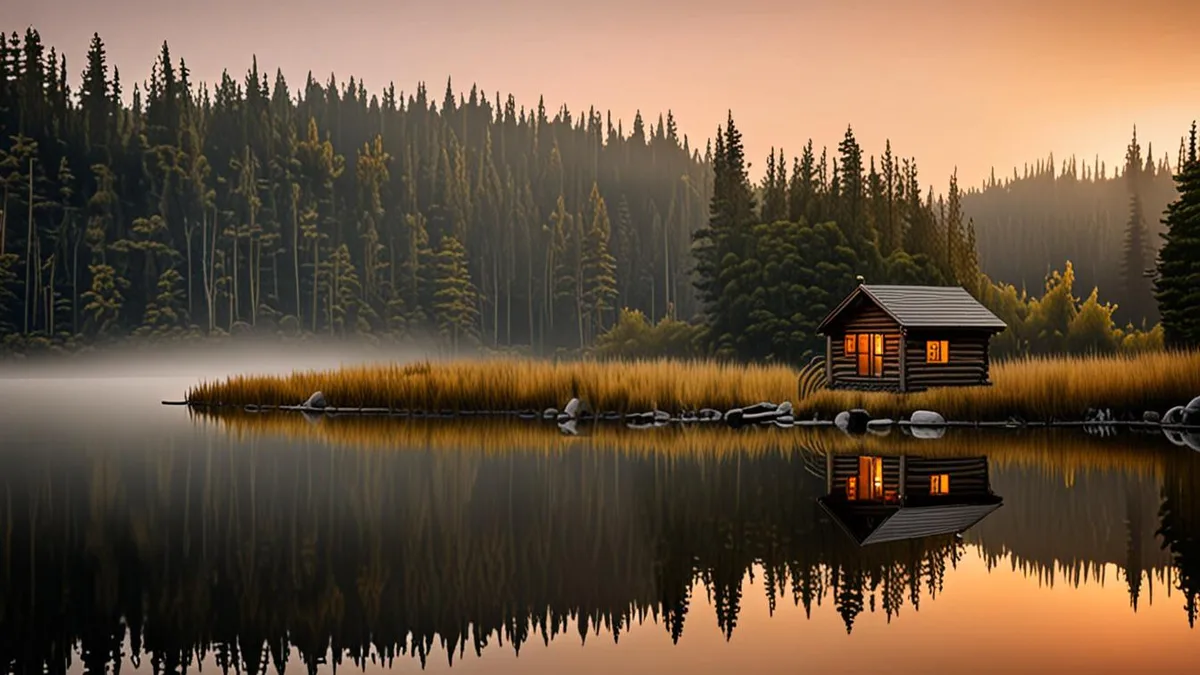
What You’ll Pay: Lodge and Cabin Price Ranges
Price is where the two stay types diverge in an interesting way. Lodge rooms commonly run $150-400 per night, and that rate usually includes breakfast and service, so there are few surprises at checkout. You’re paying for staff, meals and location as much as for the room itself.
Private cabins cost $100-300 per night for the whole unit. That’s the number that makes cabins attractive for groups: split a 4-6 person cabin and the per-person cost drops sharply, often to well under what a single lodge room costs per head. A family of four paying $200 a night for a cabin is spending less per person than two lodge rooms at $180 each.
The fees that change the math
Cabins come with fine print that lodges generally don’t. Most add a cleaning fee on top of the nightly rate, and many require 2-3 night minimum stays on weekends. On a short two-night trip, that cleaning fee and minimum can push the effective nightly rate well above the advertised price, sometimes close to lodge territory.
The practical takeaway: compare total cost, not the headline rate. Add up the cabin’s nightly rate, cleaning fee and any pet charges, then divide by your group size. Do the same with the lodge’s rate, remembering breakfast is already included. For solo travelers and couples on short trips, the lodge often comes out even; for groups staying three nights or more, the cabin usually wins on price.
When to Book and When to Go
Timing matters as much as location when you’re booking a mountain stay, and getting the calendar right is often the difference between a smooth reservation and a frustrating “nothing available” search. Small properties move fast, so knowing when to pull the trigger on a booking is a genuine money-saver. Here’s how to plan around the seasons.
- Know the peak window. Peak season for mountain lodges and cabins runs June through September. Summer weekends carry the highest rates of the year, and the best units book out first, so don’t assume you can decide in July for a July trip.
- Reserve cabins early. For peak dates, plan to book a cabin 3-6 months ahead. Cabins are small, often sleeping just 2-6 guests, so a single property may have only a handful of units. One popular weekend can sell out long before summer arrives, especially for cabins with a hot tub or a standout view.
- Give lodges less lead time. Because lodges often hold 50-200 guests, there are simply more rooms to go around. A booking window of 1-3 months ahead is typically enough, and you can often reserve closer to your travel date and still find availability. That flexibility is handy if your schedule tends to shift.
- Consider the shoulder months. May, late September and October bring lower rates, quieter trails and working fireplaces. If you want slow mornings with coffee on the deck and cozy evenings by the fire, these months deliver both without the peak-season crowds.
One practical habit before you commit: read the cancellation terms carefully, especially for cabins booked months in advance. Many cabins add cleaning fees and enforce weekend minimum stays, so a canceled trip can cost more than you expect. If your dates are fixed around a holiday or a family event, book at the early end of the window and choose a flexible rate if one is offered. If your dates are loose, wait for shoulder-season pricing, watch for last-minute cabin openings, and enjoy having the trails nearly to yourself.
Location and Setting: Wilderness Depth vs Base-Camp Convenience
The setting is where lodges and cabins differ most sharply. A cabin trades convenience for depth: you get deep quiet, dark skies for stargazing and often nothing but trees between you and the neighbors. The trade-off is distance. Because many cabins sit on private land well outside town, every forgotten item, restaurant dinner or fuel stop turns into a real drive, so shop and plan before you arrive.
Lodges work differently. They act as base camps, with guided activities, gear rental and trail access just steps from the door. You can finish breakfast and be on a hike within minutes, then return for a meal you didn’t have to cook. If your days are packed with activities, that convenience compounds quickly.
Winter changes the equation
Before booking a remote cabin between November and April, check winter access carefully. Some cabin roads are unplowed in winter or require 4WD, and a scenic summer drive can become a real challenge in snow. Ask the host or property manager directly about plowing, road conditions and whether you’ll need a specific type of vehicle. Lodges, which typically sit closer to parks, trailheads and resort areas, are less likely to have access issues, but it never hurts to confirm. A few questions before booking can save you a long, cold surprise at the end of a mountain road.
How to Choose Between a Lodge and a Cabin for Your Trip
The choice gets much easier once you match the stay type to how your group actually travels. Pick a lodge if you want meals handled, daily housekeeping and a social hub where you can swap trail stories after a day of hiking or skiing. Pick a cabin if your group wants privacy, a kitchen and a hot tub, and doesn’t mind cooking and driving for itself.
For couples, run a simple comparison before booking. A lodge suite with included breakfast gives you ease, atmosphere and someone else making the coffee. A private cabin gives you space, seclusion and a fireplace to sit beside, but you’ll be the one shopping, cooking and stripping the beds at the end. Neither is objectively better; it depends on the mood of the trip, not just the math.
- Group size. Cabins usually sleep 2-6 guests, so a family or two couples can share one unit, while a lodge means booking several separate rooms.
- Cooking plans. If you plan to cook most meals, a cabin’s full kitchen pays off; if you’d rather never touch a dish, lodge dining and included breakfast make sense.
- Driving tolerance. Remote cabins sit well outside town, so think honestly about how many grocery and dinner runs your group will happily make, especially in snow or after dark.
- Service expectations. Lodges include housekeeping and staff on site; cabins are self-catering, so you handle your own trash, linens and upkeep during the stay.
Be realistic about the last point in particular. A cabin that sounds romantic in summer can feel isolating in February if the road is icy and the nearest restaurant is a long drive away. Answer those four questions honestly and the right stay type usually picks itself.
The Bottom Line Before You Book
Booking sites often use the words lodge and cabin interchangeably, which leaves travelers guessing until check-in. The difference matters: a lodge means service, shared spaces and lodge rooms commonly running $150-400 per night, while a cabin means privacy, self-catering and nightly rates of $100-300. One comes with breakfast and housekeeping; the other comes with a kitchen, a hot tub and a shopping list.
The booking windows differ too: plan 3-6 months ahead for a peak-season cabin and 1-3 months for a lodge. Match the stay type to your group size, your cooking plans and your appetite for driving, and the choice makes itself. If this helped you sort out your next trip, leave a comment or share the article with your travel crew.