Booking your first safari lodge can be surprisingly confusing. Two lodges in the same reserve might differ by hundreds of dollars a night, and the cheaper one is not always the bargain it looks like. Some rates include every meal, drink and game drive, while others cover little more than your tent and breakfast. Without knowing what each price actually buys, comparing lodges becomes guesswork.
This guide breaks down what a safari lodge stay really costs, from budget tented camps to high-end luxury properties. You will find out what is typically included in the rate — meals, drinks and game drives — plus the common extras like park fees, private activities and light-aircraft transfers that quietly inflate the bill. We will also look at when to book and how the season changes prices, how to choose the right lodge for your budget, and how safari lodge inclusions differ from other lodge stays. By the end, you will be able to compare rates with confidence.
What a Safari Lodge Stay Actually Costs Per Night
Safari lodge pricing generally falls into three tiers, and knowing where each sits helps you set a realistic budget before you fall in love with a camp you cannot afford. The cheapest option is the budget tented camp, which typically runs $150–$250 per person per night. These camps usually cover your meals and shared game drives, but expect to pay separately for drinks beyond water and tea, as well as for laundry.
Mid-range lodges, at $250–$600 per person per night, are typically fully inclusive. That means meals, house drinks and two daily game drives are all built into the rate, so there are far fewer surprises on your final bill.
The luxury tier
At the top end, luxury lodges range from $800 to $1,500+ per person per night in peak season. These properties add private guides, spa access and premium drinks to the standard inclusions, along with a level of personal service that smaller camps cannot match.
The single supplement
One detail catches many travelers off guard: rates are quoted per person sharing. If you travel alone, lodges often charge a single supplement of roughly 30–50% on top of the standard rate. Solo travelers should factor this in early, since it can push a mid-range lodge close to luxury pricing. Always confirm the supplement policy before booking rather than assuming it will be waived.
What’s Included: Meals, Drinks and Game Drives
Food is one of the easiest things to check when comparing lodges, because nearly all of them include it. Breakfast, lunch and dinner are standard across every price tier, from simple tented camps to luxury properties. What changes is the style: meals are often served family-style around a shared table, which doubles as a chance to swap sightings with other guests, and many lodges also offer bush dinners under the stars on select nights.
Game drives follow a similar pattern. Two shared drives per day, typically at dawn and late afternoon when animals are most active, are standard inclusions at almost every lodge. If you have stayed at a beach resort with an all-inclusive rate, the structure will feel familiar, and this guide to what an all-inclusive lodge includes and what it costs covers those parallels in more detail.
Beyond meals and drives, inclusions vary sharply by price tier, so it pays to ask specific questions before you book:
- Drinks: Fully inclusive lodges cover house drinks, including soft drinks, beers and house wines; budget camps typically charge for everything beyond water and tea, so a few sundowners can add up quickly.
- Laundry: Mid-range and luxury lodges usually include daily laundry service, while at budget camps you either hand-wash or pay per item.
- Wi-Fi: Expect free Wi-Fi in common areas at mid-range lodges and above; budget camps often have none, or only a paid connection in the main area.
- Airport transfers: Pickups from the nearest airstrip are generally included at mid-range and above, but budget camps may charge, so confirm the meeting point and cost when booking.
The safest approach is to email the lodge directly with your list of expectations and get the answers in writing. Inclusions differ enough between properties that assumptions are risky, and a two-minute email can prevent an awkward bill at checkout.
Common Extras That Push Up the Bill
The nightly rate is rarely the whole story. Several extras are billed separately, and on some trips they can add a meaningful chunk to your total. The biggest one to understand upfront is the park or conservancy fee, which is typically billed separately from the lodge rate. The amount varies widely between countries and reserves, and it can be substantial, so check the current fee for your destination before you book. Some lodges collect these fees when you reserve; others add them to your bill at the end of your stay, so ask how it works before you arrive.
Activities beyond the shared drive
Two shared game drives per day are normally part of the package, but anything beyond that usually costs extra. Private vehicles and guided bush walks often carry an additional charge, typically somewhere in the range of $50–$150 per activity depending on the lodge and the experience. These can be worth it — a night drive or a walk with a guide gets you closer to the bush than a shared vehicle ever will — but budget for them deliberately rather than deciding on the spot every evening.
Drinks, tips and getting there
A few smaller line items also catch travelers out. Premium wines, champagne and spa treatments are rarely included, even at lodges where house drinks are. Tipping is expected at most lodges as a daily amount for the staff, so bring small bills in US dollars or local currency and ask your operator for a current guideline. Finally, if your lodge sits near a remote airstrip, you will likely arrive by light aircraft, and these internal flights are often the single largest hidden cost of a safari. Include them in your budget from the start rather than treating them as an afterthought, and confirm current fares with your operator or booking agent.
When to Book and How the Season Changes the Price
Timing is one of the biggest levers you have on safari lodge pricing. In East Africa, peak season runs from June through October, when wildlife viewing is at its best and the top lodges fill up fast. If you want a specific camp during these months, book 6–12 months ahead to lock in both the room and the rate you want.
The shoulder months tell a different story. November and the March–May period typically cut rates by 20–40%, which can turn a lodge that felt out of reach into a realistic option. The trade-off is rain: downpours can make roads muddy and scatter animals, so game viewing is usually good but rarely as reliable as in the dry months.
Discounts and last-minute deals
Outside peak season, many lodges run stay-4-pay-3 offers or other low-season discounts, so a longer stay can cost the same as a shorter one at full rate. Ask operators directly, since these deals are not always listed on lodge websites.
Last-minute bargains do exist in the green season, when lodges would rather fill a room at a discount than leave it empty. Be realistic, though: availability at the most sought-after lodges stays thin even in low season, so this approach works better for flexible travelers than for anyone with a specific camp in mind. If you enjoy planning around seasons, the same logic applies elsewhere — our guide to the best time to visit Lapland lodges shows how seasonal timing reshapes lodge pricing in a very different destination.
Choosing the Right Safari Lodge for Your Budget
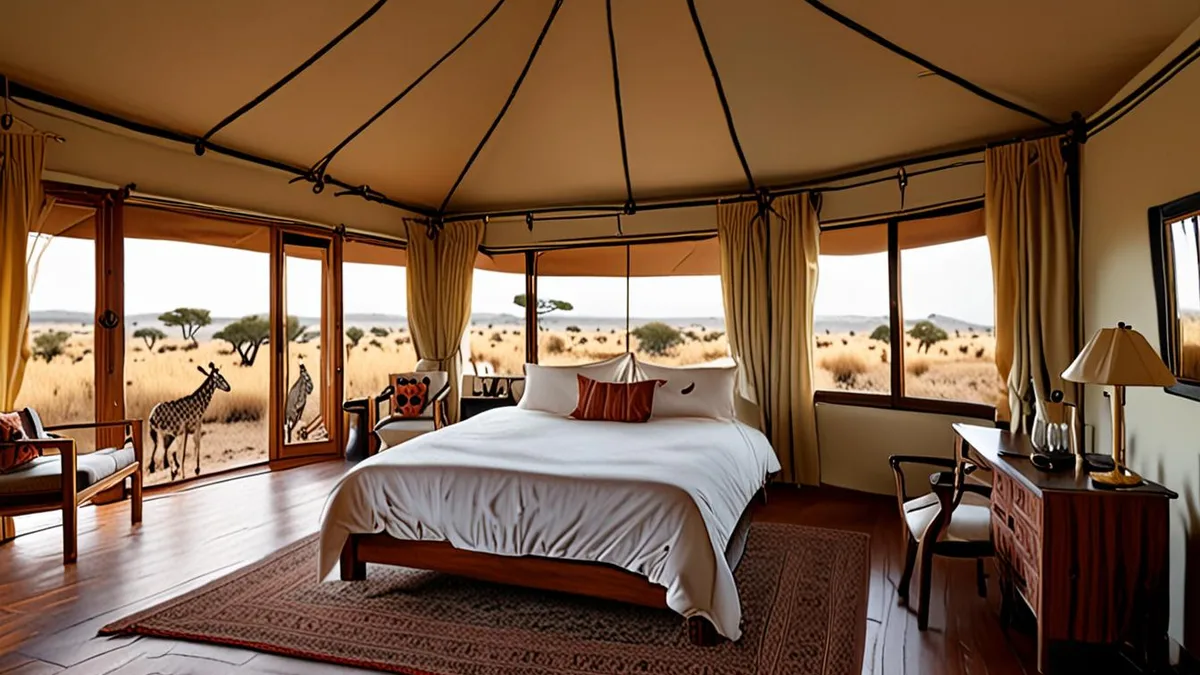
Before you compare a single price, decide what kind of base you want. Tented camps put you closer to nature — canvas walls, night sounds, sometimes a bucket shower — while permanent lodges offer solid walls, better insulation and more comfort. Both come at every price level, so knowing which experience you prefer makes the rest of the comparison far easier.
Location matters as much as the room. A lodge inside a private conservancy can usually offer night drives, off-road viewing and guided walks, while lodges in public parks must follow stricter rules and share sightings with more vehicles. Neither is better across the board, but the difference shapes what your days actually look like.
Also compare what each rate actually includes rather than the headline number. A fully inclusive rate that covers all meals, drinks and two daily game drives can work out better value than a cheaper semi-inclusive option once you add the missing pieces — drinks on drive, laundry, transfers and so on. Read the inclusions line by line before you book, and ask the lodge or your operator to spell out exactly what is covered. If South Africa is on your shortlist, our first-timer guide to choosing a safari lodge walks through this in more detail.
- Group composition: family suites and child-friendly programs — kids’ activities, flexible meal times, family vehicles — differ sharply from adult-only camps, so check age policies before booking.
- Conservancy perks: some conservancy lodges include activities like night drives and guided walks in their rates, while others charge them as extras, so confirm what is included and what is not.
- Water and camp size: a small camp of 6–10 tents delivers a more personal experience than a 50-room lodge, but often at a higher per-person rate for the same tier.
How Safari Lodge Inclusions Differ from Other Lodge Stays
Activities instead of entertainment
An all-inclusive beach or mountain lodge sells you leisure: pools, shows, bars and a flexible day. A safari lodge sells you wildlife, and the rate is built around that. Instead of evening entertainment, you get two scheduled game drives a day — usually dawn and late afternoon — with meals and drinks arranged around them. That is where most of your money goes, and it is why two lodges with similar rooms can differ wildly in price.
A schedule you don’t set
Safari lodges also run on a fixed daily rhythm. Expect early wake-up calls, set drive departure times and meals served in windows that fit around those drives. If you like sleeping in and wandering to breakfast whenever you please, a resort-style stay offers more freedom than a safari camp typically will.
Remoteness changes the math, too. Many top safari lodges are reachable only by light aircraft or long road transfers, and those flights and transfers are usually billed separately. At a road-accessible beach lodge, getting there is a minor line item; on safari, transfers and internal flights can make up a noticeably larger share of your total trip cost, so build them into your budget before you book rather than adding them on later.
It also pays to ask what happens between drives. Hours in the middle of the day are often unstructured, and some lodges fill them with guided walks, cultural visits or pool time at no charge, while others treat anything beyond the standard drives as a paid add-on. If you want to stay active, check the activity list before committing — the difference between two similarly priced lodges can come down to what they offer in those quiet midday hours.
Wrapping Up Your Safari Lodge Budget
Comparing safari lodge prices is confusing because two rates that look similar can include completely different things. The easiest way to cut through it: expect $150–$250 per person per night at budget tented camps, $250–$600 at mid-range lodges and $800 or more at luxury properties, mostly quoted per person sharing. Meals and two daily game drives are standard inclusions at most lodges, while conservancy entry costs, add-on activities like guided walks and the flights to reach remote airstrips are the extras that quietly grow your total.
Once you know what each rate tier covers, the numbers start making sense. Book 6–12 months ahead if you want a peak-season spot, and consider the shoulder months, where rates drop by 20–40% if you don’t mind some rain. Have a question about planning your own safari budget, or a lodge experience to share? Leave a comment below or pass this article along to a fellow traveler.